A WW2 'Battle of France/Dunkirk Evacuation', & 'Invasion of Europe Supply Lines from Normandy to the Baltic' M.B.E. Medal Group to Major J.D.L. Buist, 1st Highland L.I. (1649)
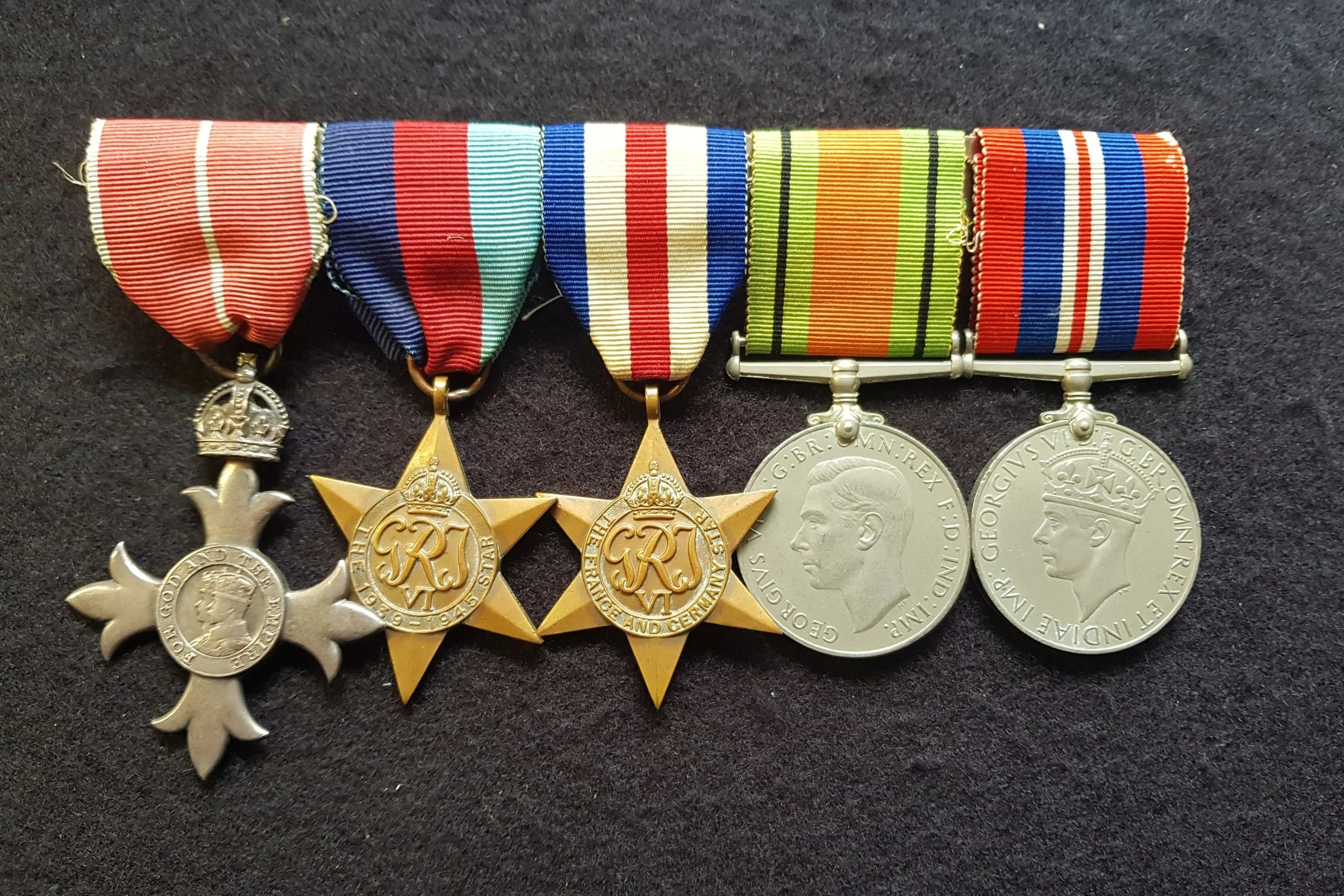
A WW2 'Battle of France/Dunkirk Evacuation', & 'Invasion of Europe Supply Lines from Normandy to the Baltic' M.B.E. Medal Group to Major J.D.L. Buist, 1st Highland L.I. (1649)
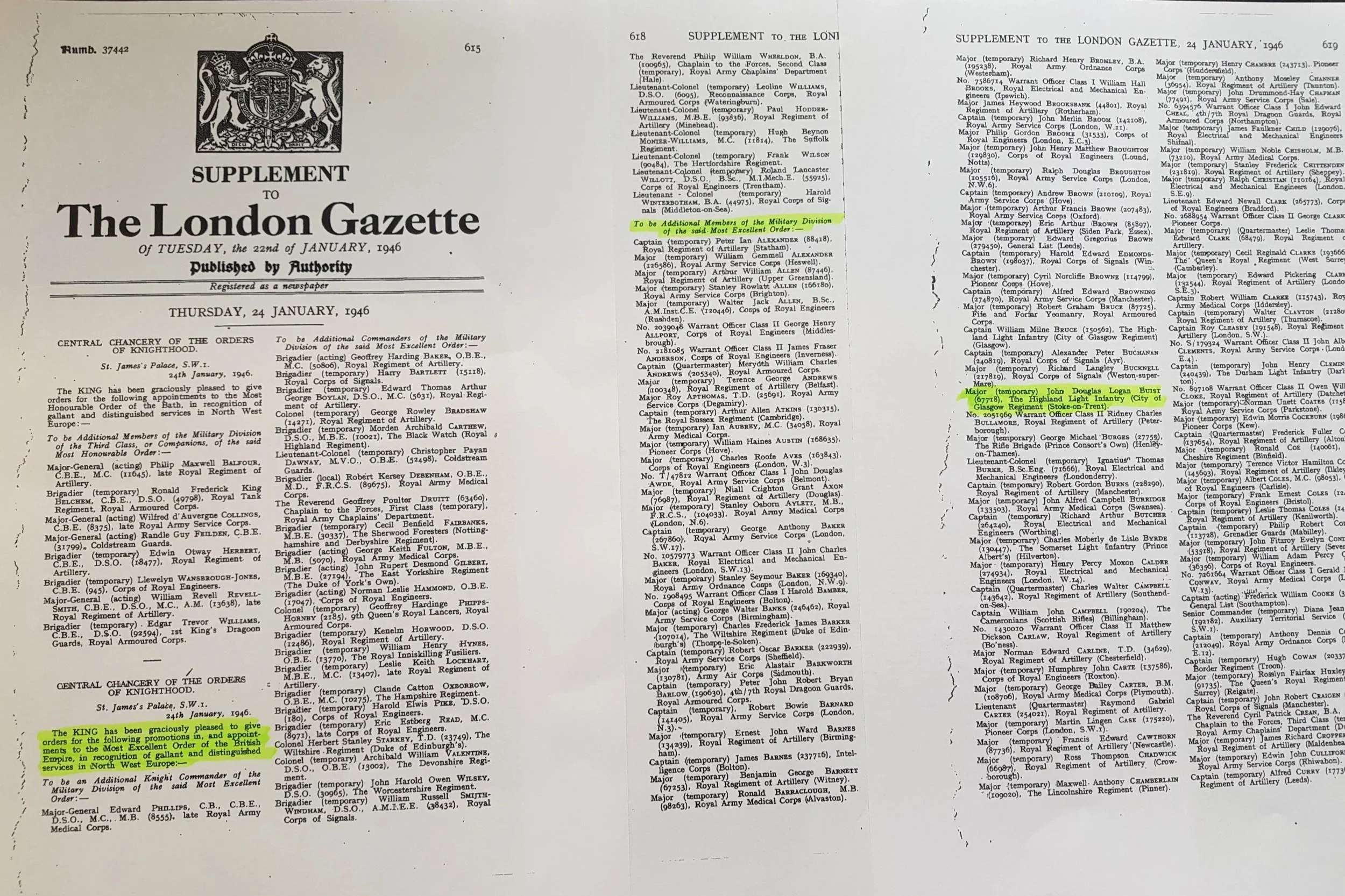
A WW2 'Battle of France/Dunkirk Evacuation', & 'Invasion of Europe Supply Lines from Normandy to the Baltic' M.B.E. Medal Group to Major J. D. L. Buist, Highland Light Infantry, acting Assistant Provost Marshal, Second Army, who organised the supply routes between British forces 'from Normandy to the Baltic' during the Invasion of Europe.
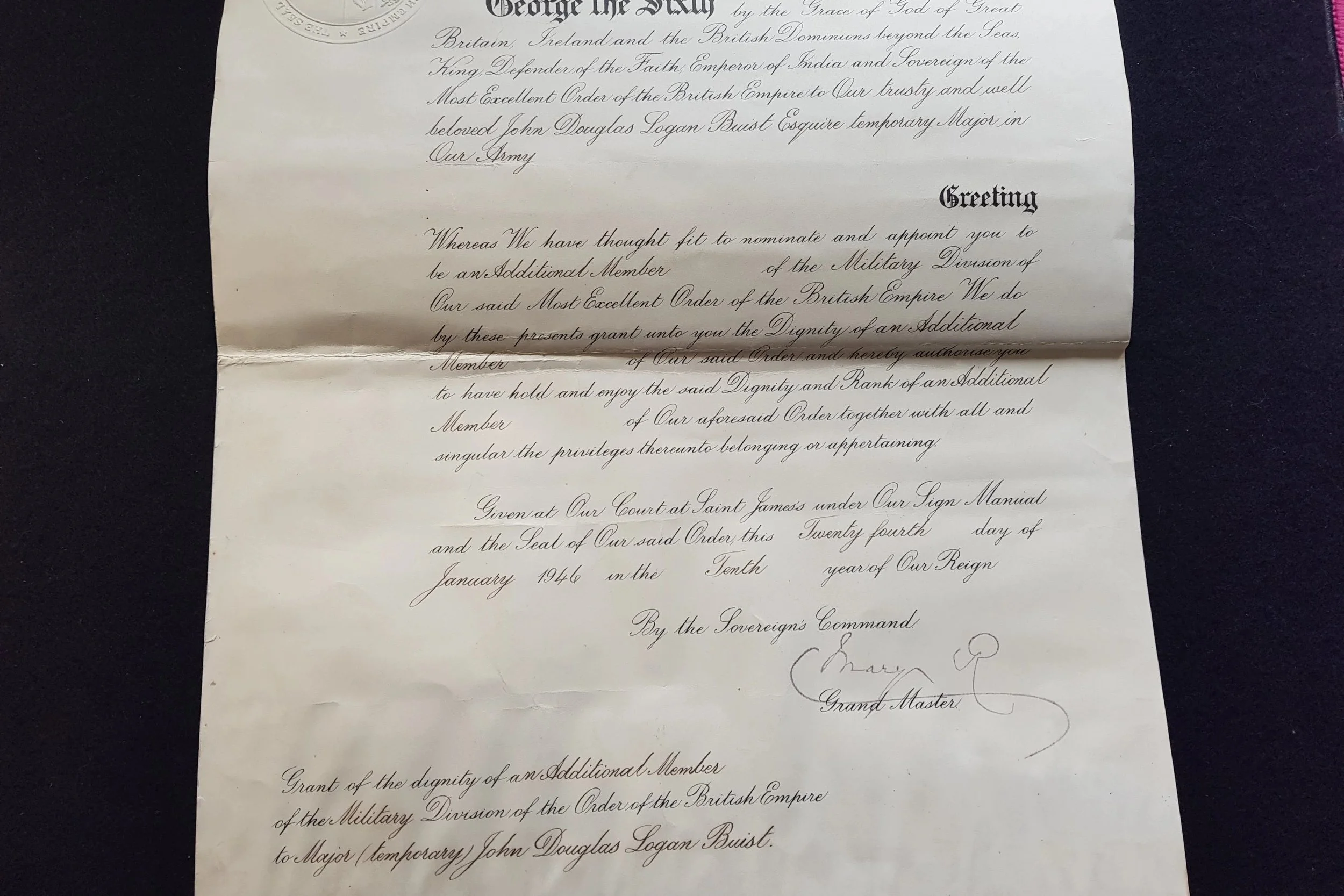
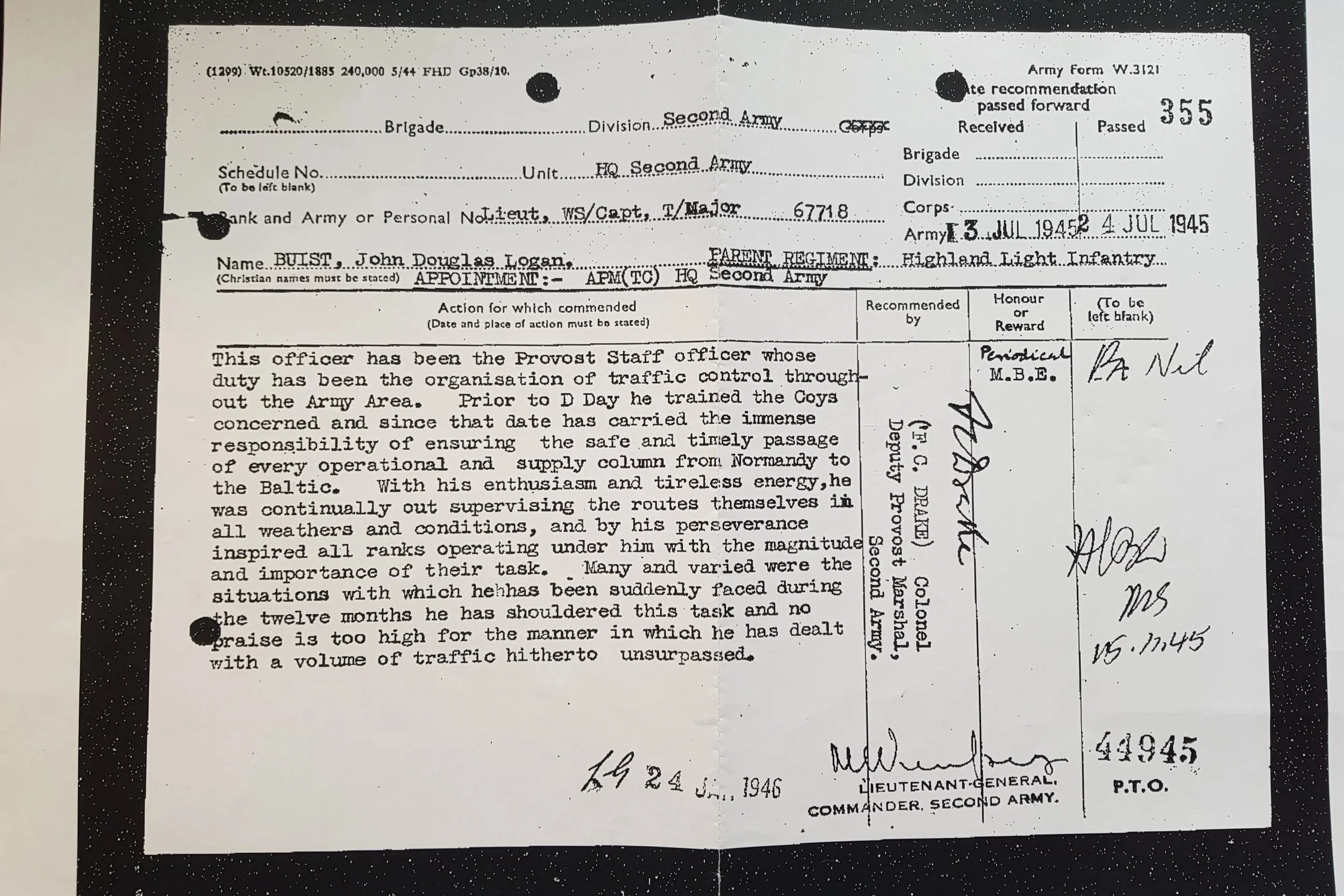
M.B.E. London Gazette 24 January 1946, the original recommendation states:
'This officer has been the Provost Staff officer whose duty has been the organisation of traffic control through-out the Army Area. Prior to D Day he trained the Coys concerned and since that date has carried the immense responsibility of ensuring the safe and timely passage of every operational and supply column from Normandy to the Baltic. With his enthusiasm and tireless energy, he was continually out supervising the routes themselves in all weathers and conditions, and by his perseverance inspired all ranks operating under him with the magnitude and importance of their task. Many and varied were the situations with which he has been suddenly faced during the twelve months he has shouldered this task and no praise is too high for the manner in which he has dealt with a volume of traffic hitherto unsurpassed.'
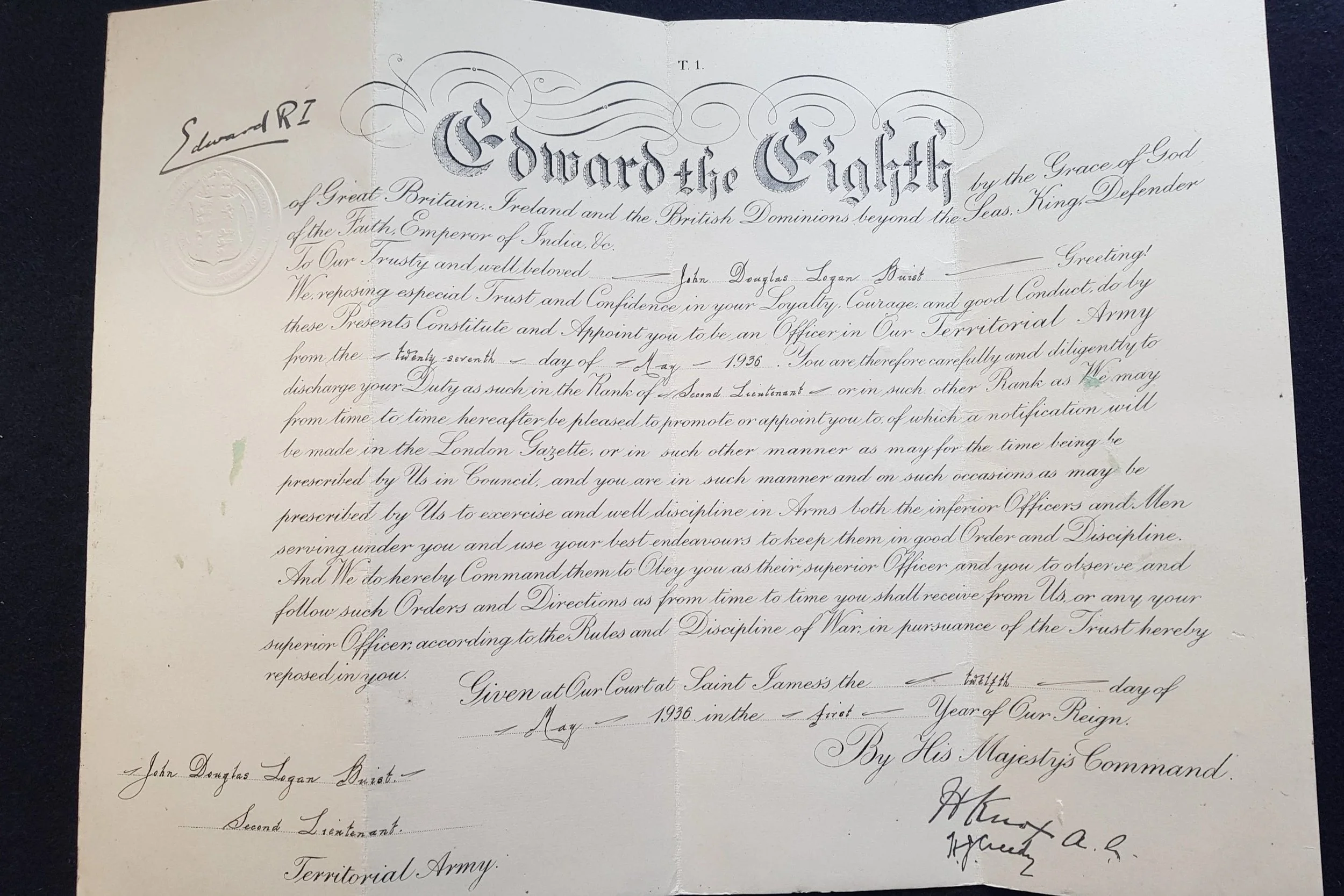
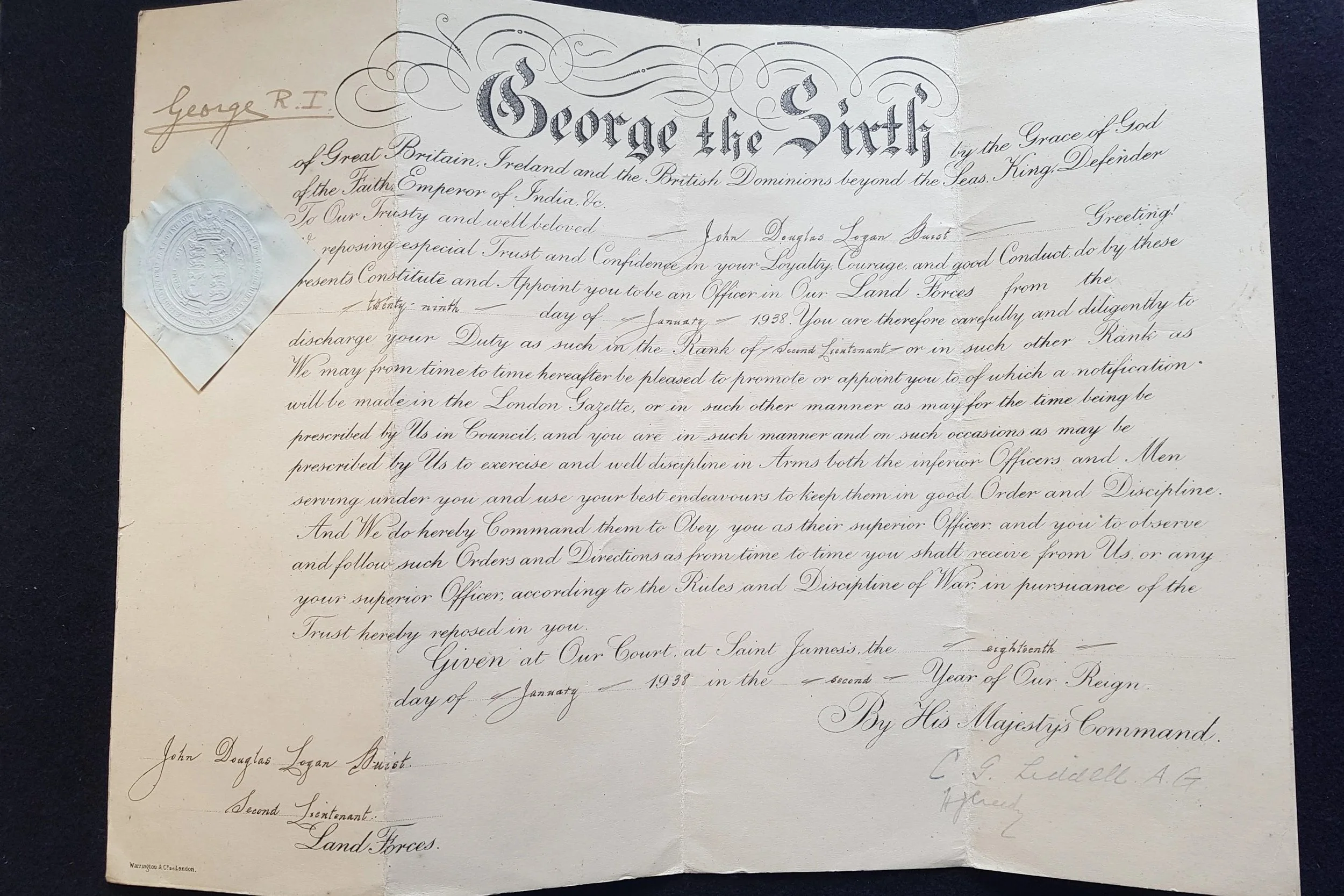
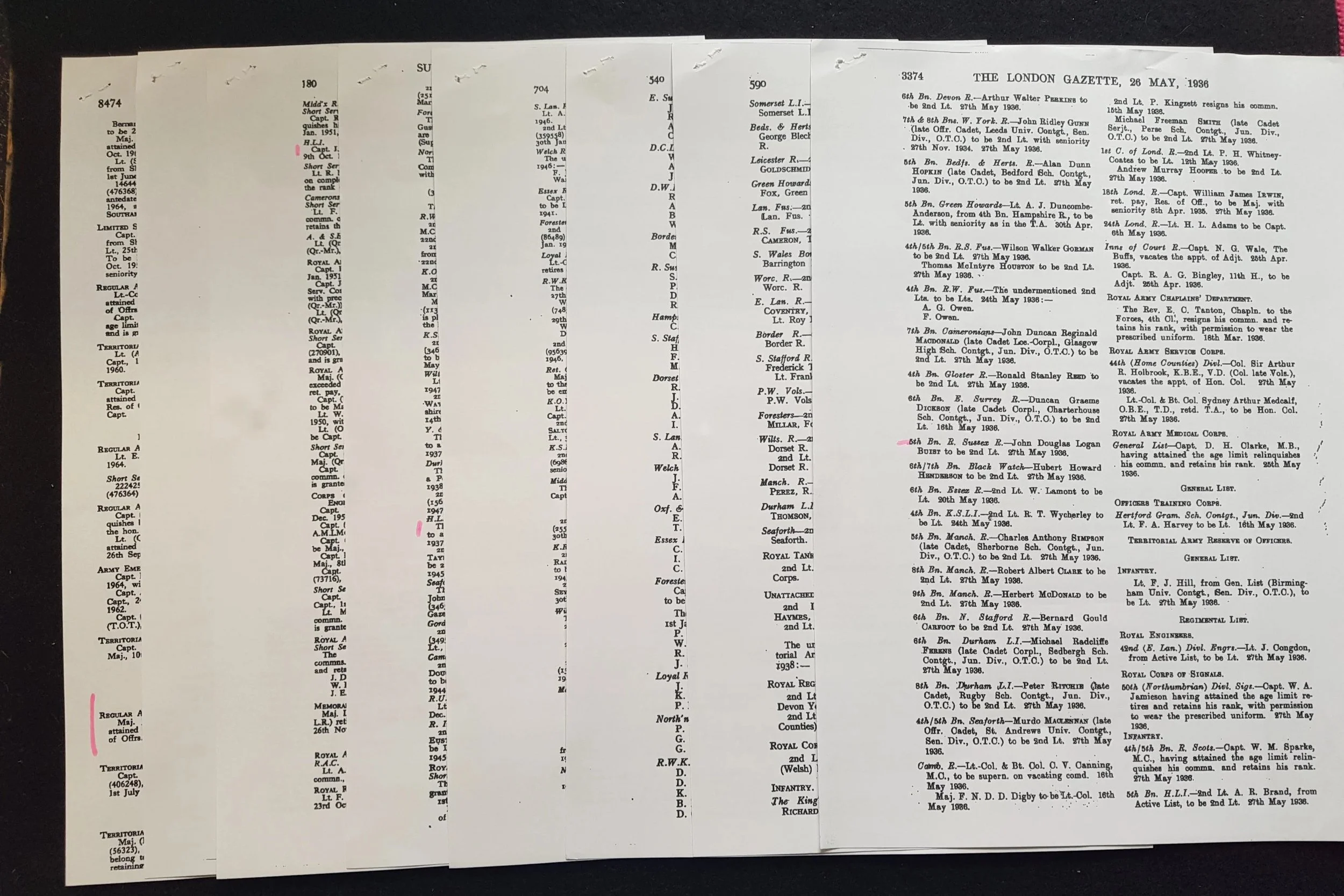
John Douglas Logan Buist was born on 9 October 1914 and commissioned as 2nd Lieutenant on 27 May 1935 with the 5th Battalion Royal Sussex Regiment. Transferring to the Highland Light Infantry on 29 January 1938 he was promoted Lieutenant on 1 January 1941.
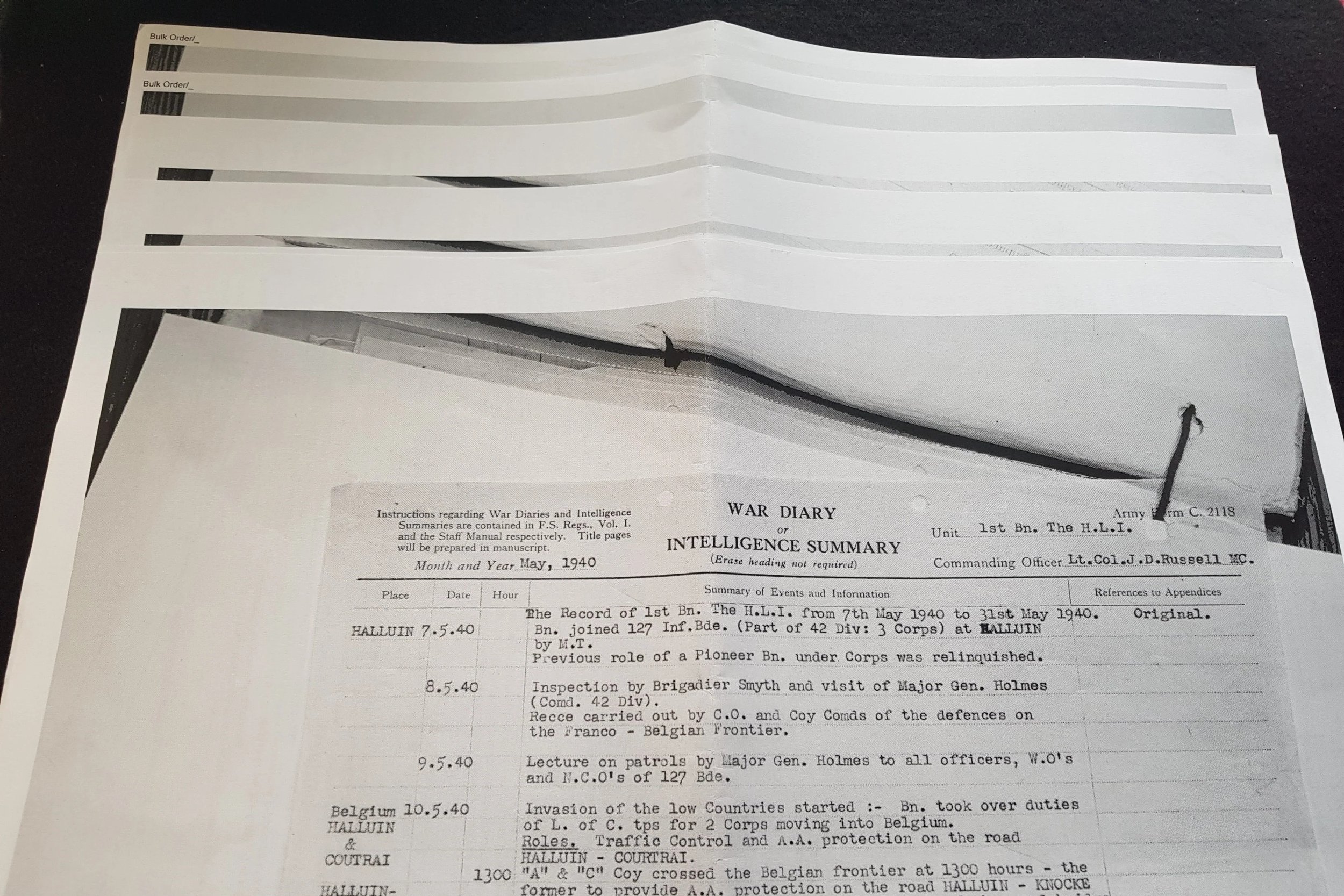
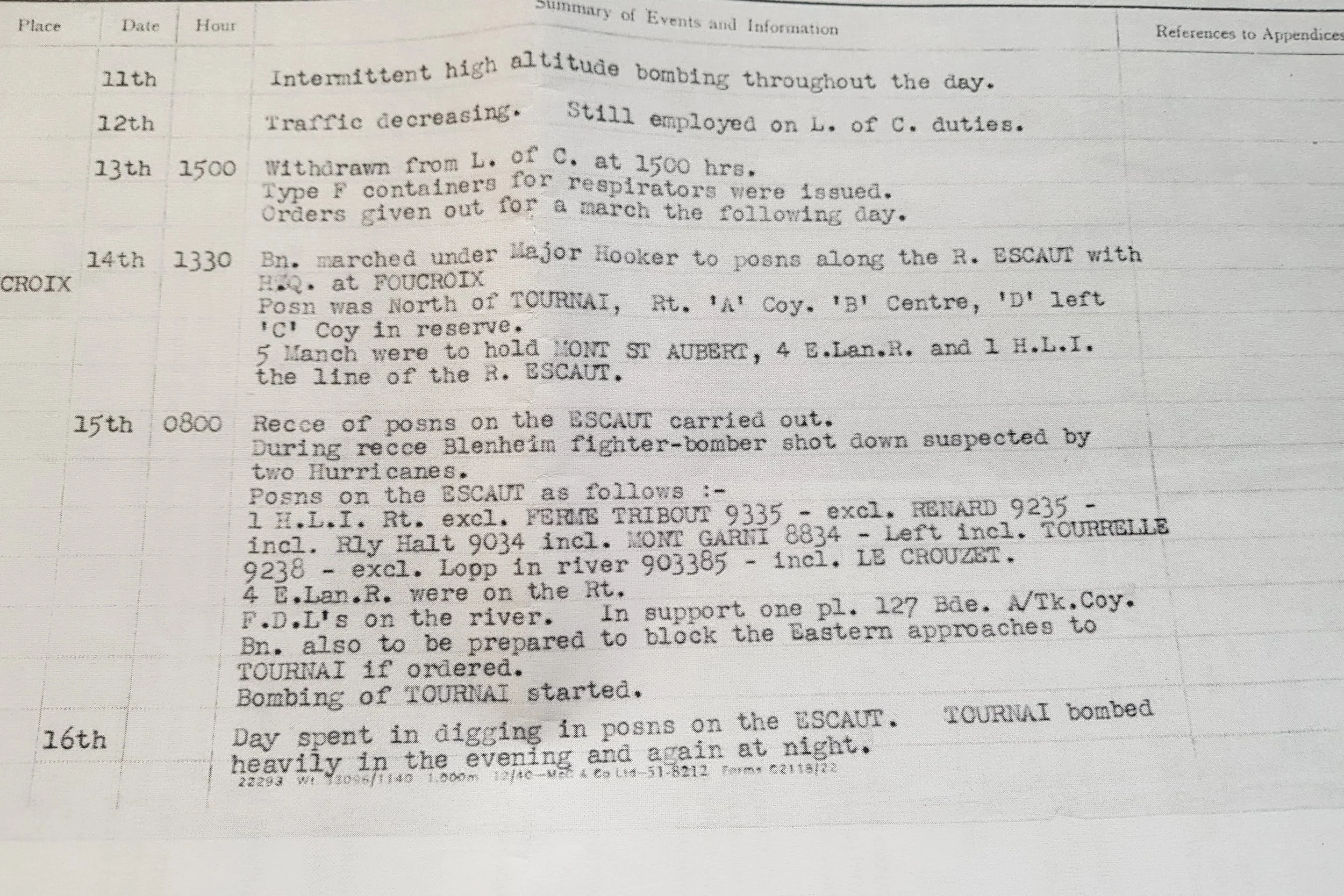
He was still serving with the Battalion when the Second World War started and joined them in Belgium where, like the rest of the BEF they were cut off by invading German forces. They served as the rearguard for their Brigade during the withdrawal to Dunkirk and suffered heavy losses at Rexpoede. Falling back to the Bray Dunes on 30 May they were evacuated that evening and arrived in Kent the next day.
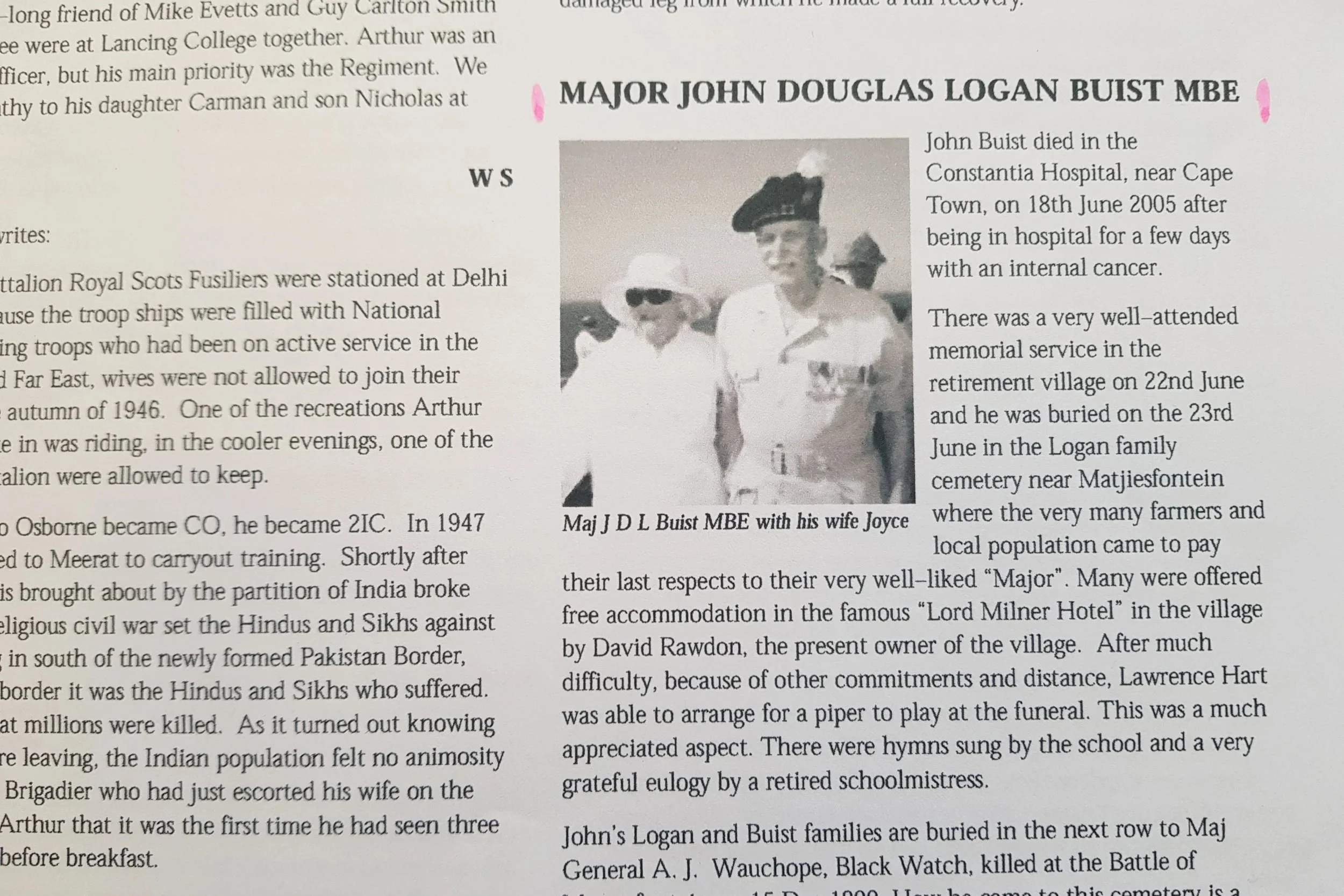
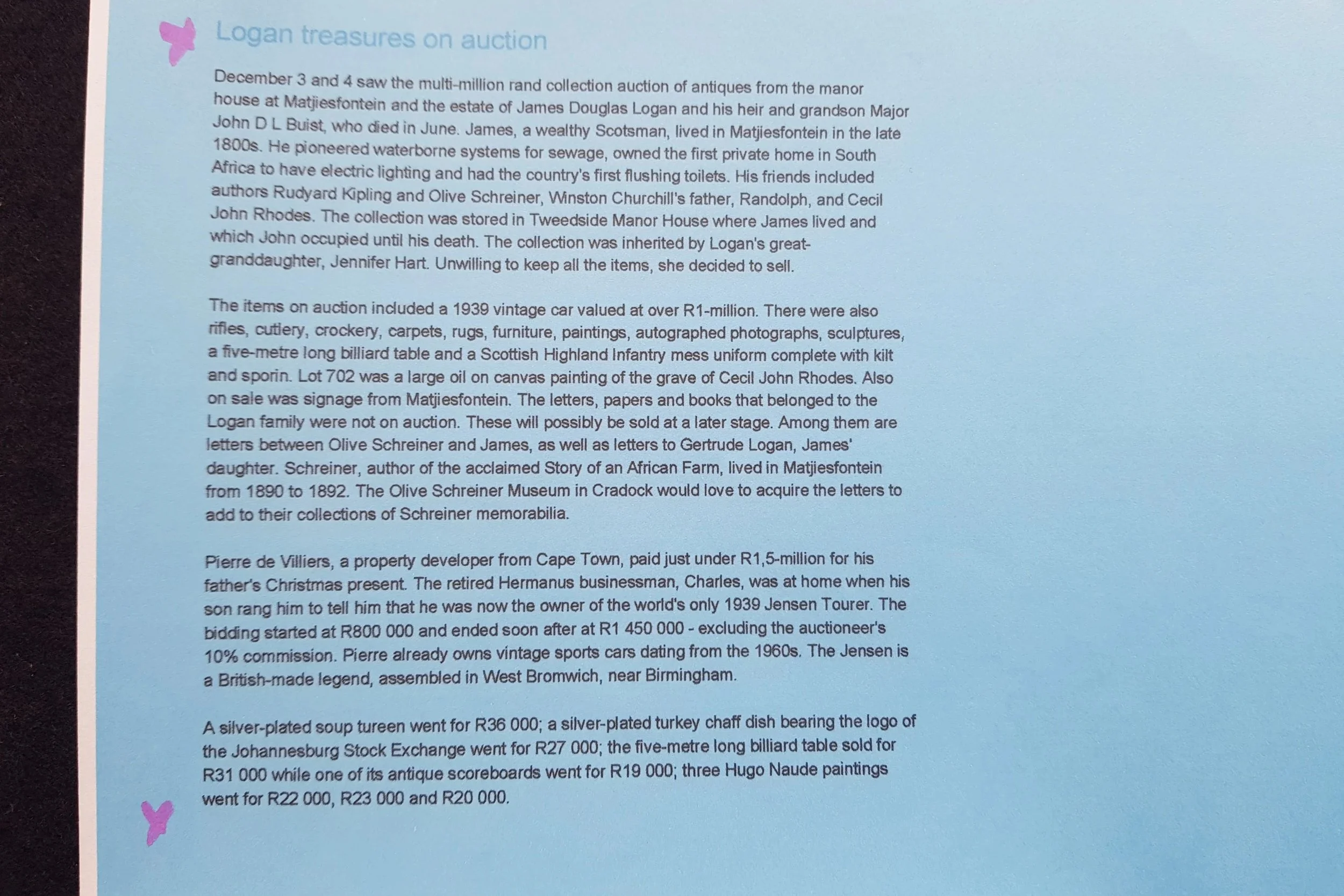
After the evacuation Buist was appointed Provost Officer, serving as Captain, appointed to the Headquarters of Second Army he was responsible for organising the supply of the Army during D-Day and the later operations in France and Germany. After the war he was confirmed in the rank on 29 January 1946 and awarded a permanent post-war commission. Further advanced Major on 9 October 1950 he retired on 4 July 1958 and left the Reserve of Officers on 9 October 1964. Buist died in 2005, his obituary in The Journal of the Royal Highland Fusiliers, states:
'John Buist died in the Constantia Hospital, near Cape Town, on 18th June 2005 after being in hospital for a few days with an internal cancer.
There was a very well-attended memorial service in the retirement village on 22nd June and he was buried on the 23rd June in the Logan family cemetery near Matjiesfontein where the very many farmers and local population came to pay their last respects to their very well-liked "Major". Many were offered free accommodation in the famous "Lord Milner Hotel" in the village by David Rawdon, the present owner of the village. After much difficulty, because of other commitments and distance, Lawrence Hart was able to arrange for a piper to play at the funeral. This was a much appreciated aspect. There were hymns sung by the school and a very grateful eulogy by a retired schoolmistress.
John's Logan and Buist families are buried in the next row to Maj General A. J. Wauchope, Black Watch, killed at the Battle of Magersfontein on 15 Dec 1899. How he came to this cemetery is a long story but John's grandfather-in-law, JD Logan, was the cause! There is a large Wauchope memorial on the hillside close to the cemetery.'
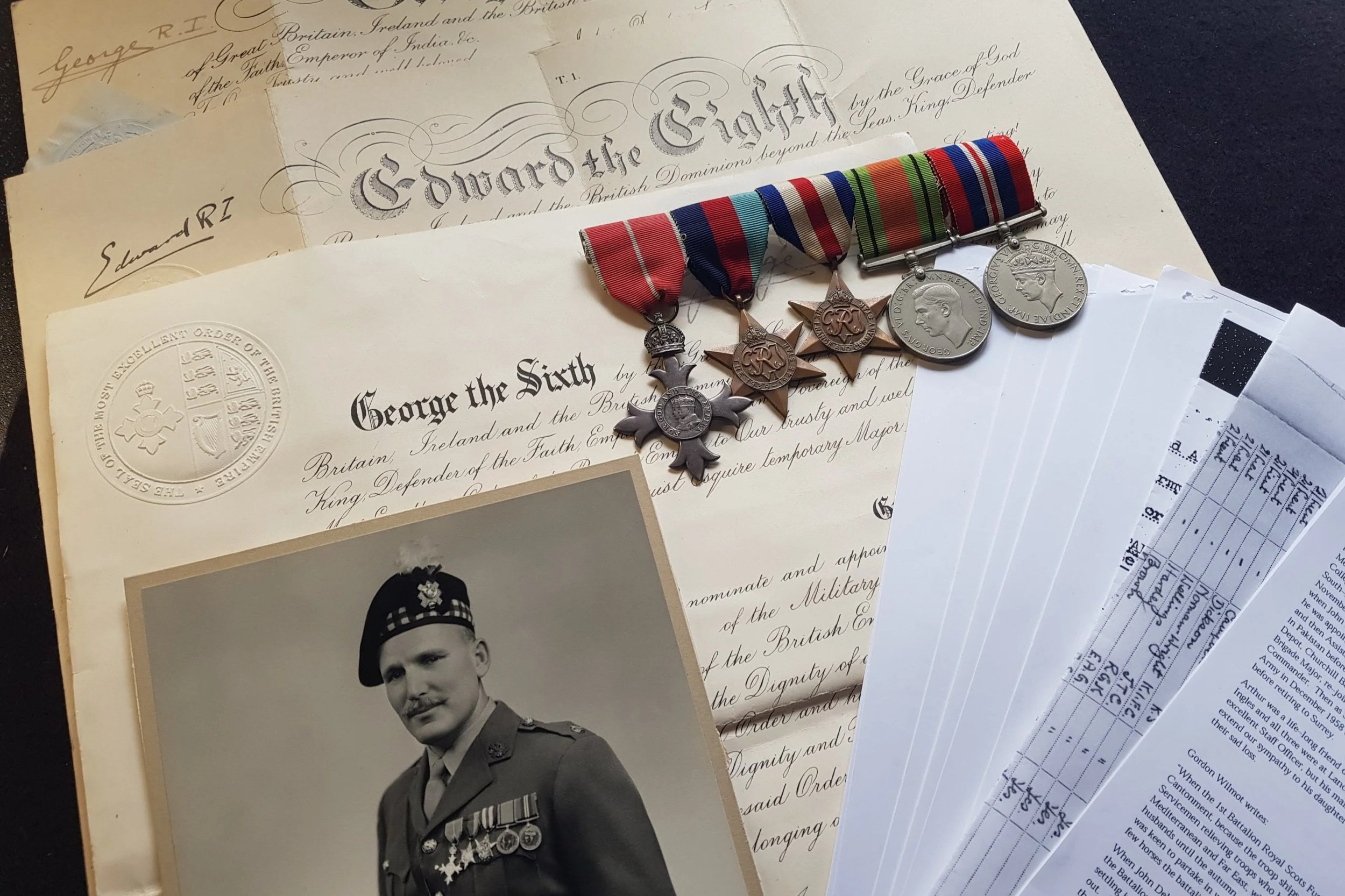
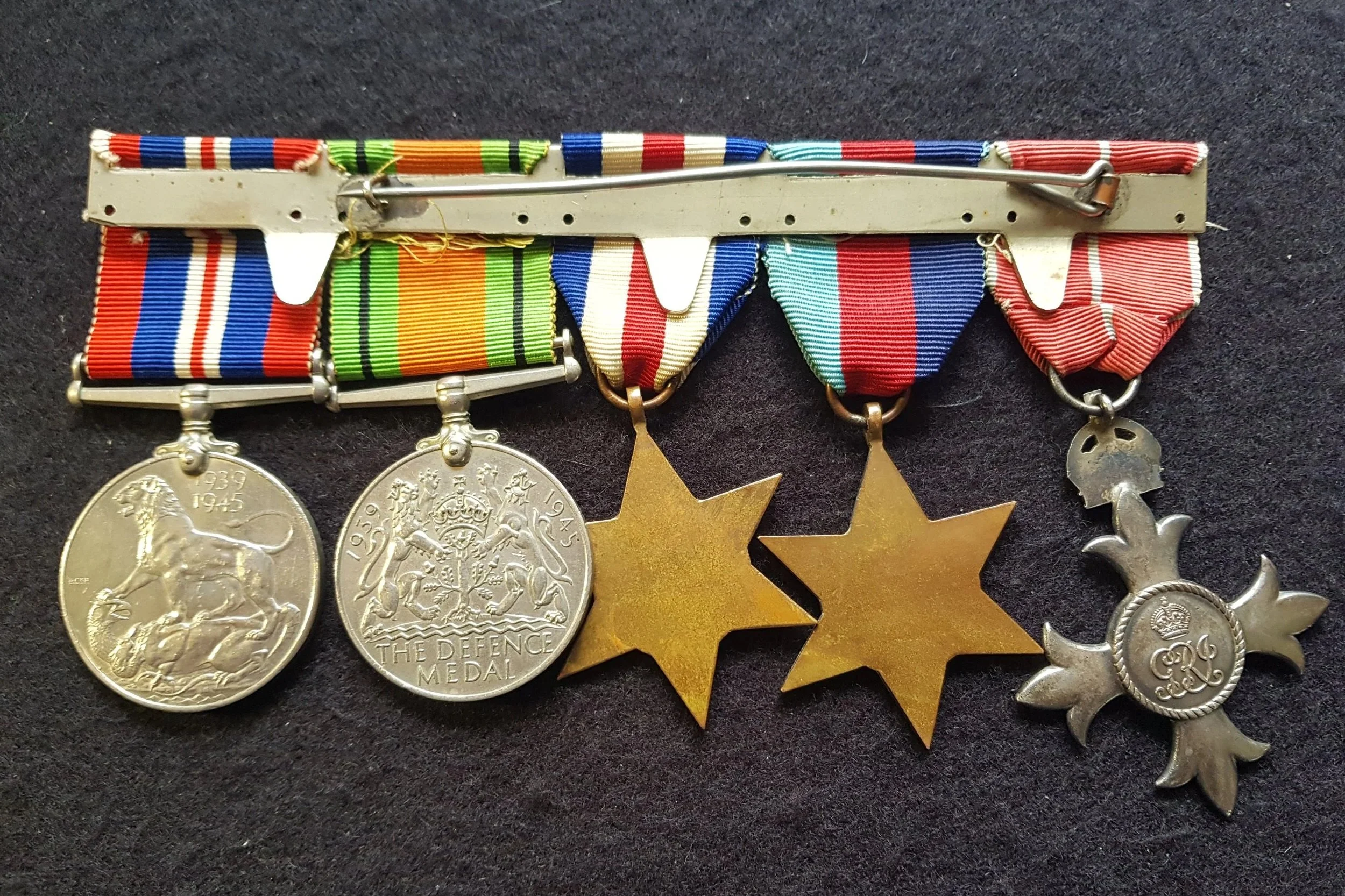
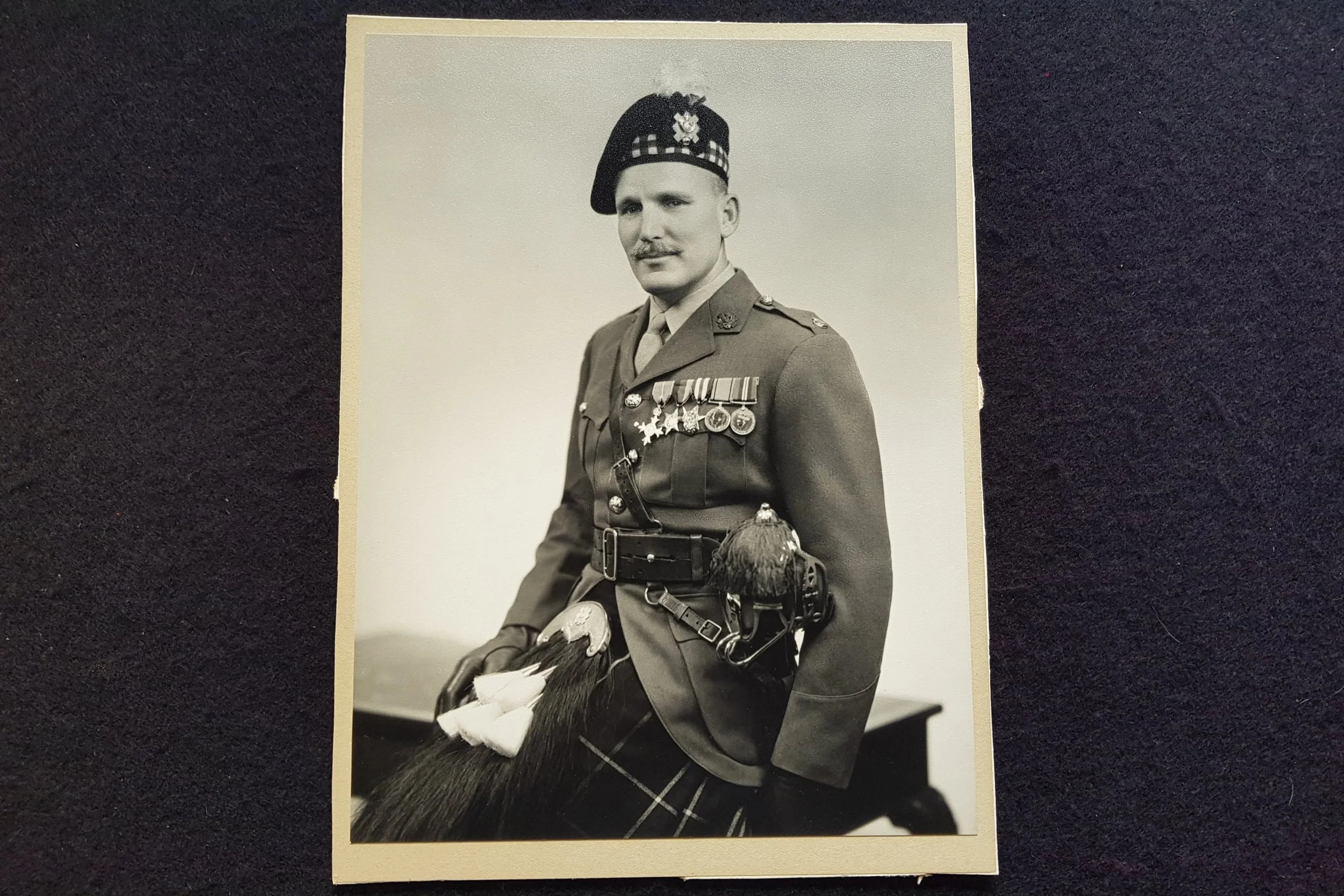
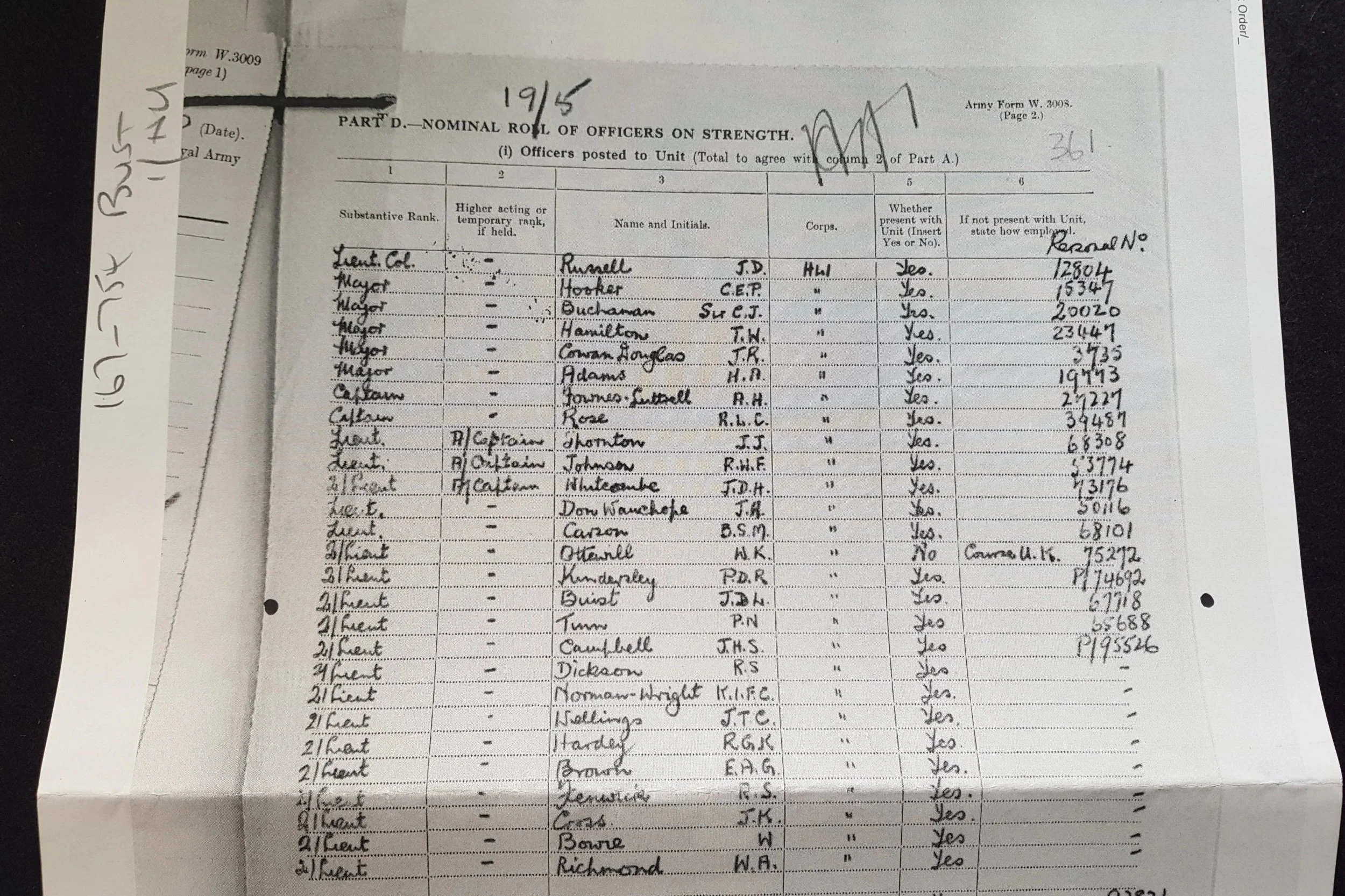
The medals are mounted as worn, sold with a good file of copied research (including copy War Diaries for Battle of France/Dunkirk), two original named commission warrants, original M.B.E. warrant, original uniformed photograph of John wearing his medals, and are as follows –
The Most Excellent Order of the British Empire, Member's (M.B.E.) breast Badge, Military Division, silver; 1939-1945 Star; France and Germany Star; Defence and War Medals 1939-45, all unnamed as issued.
Condition, light contact wear, very fine