A Very Good WW2 Royal Navy Distinguished Service Cross Medal Group to Lieutenant (E) Leslie Harold Norgate, DSC (1657)
A Very Good WW2 Royal Navy Distinguished Service Cross Medal Group to Lieutenant (E) Leslie Harold Norgate, DSC (1657)
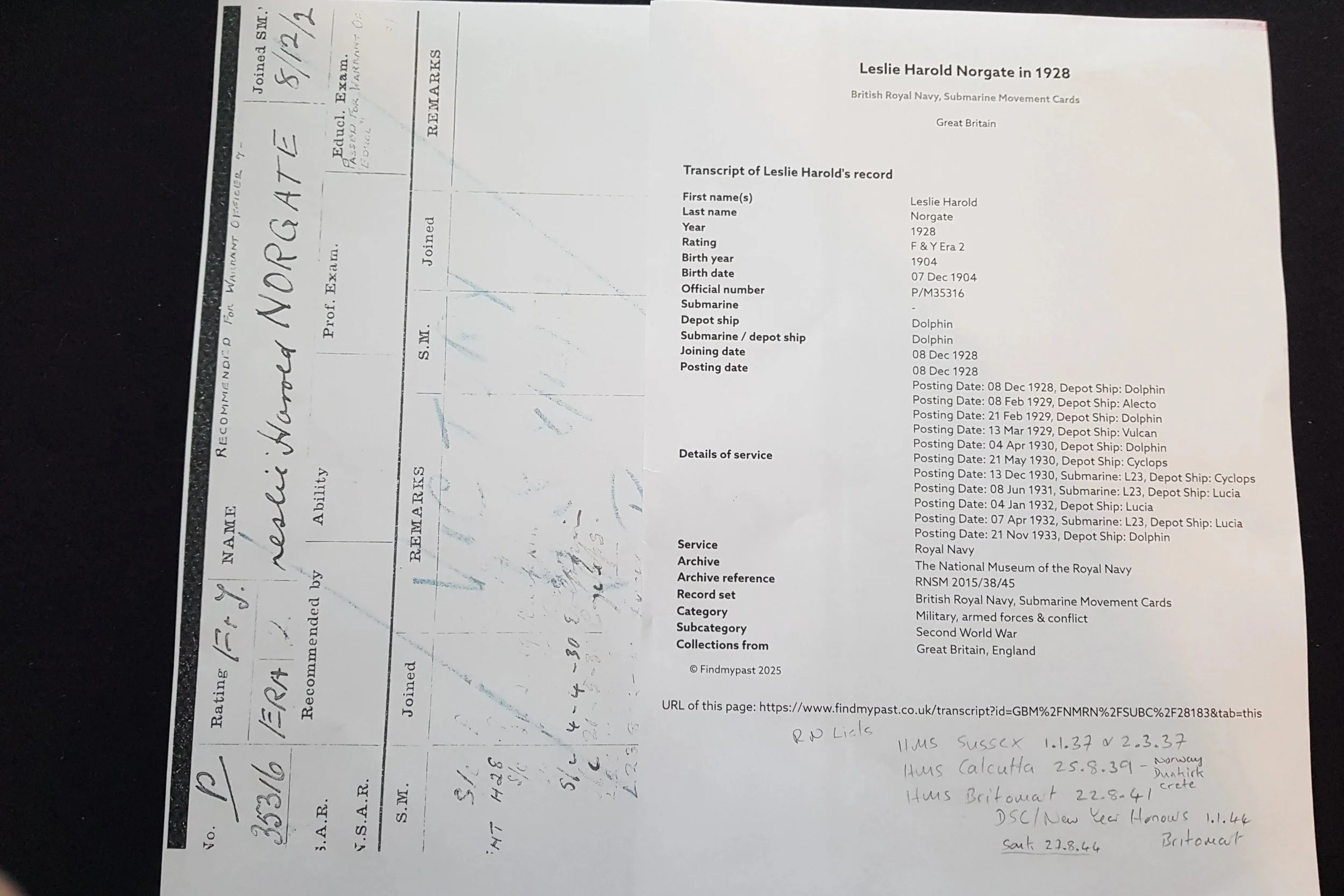
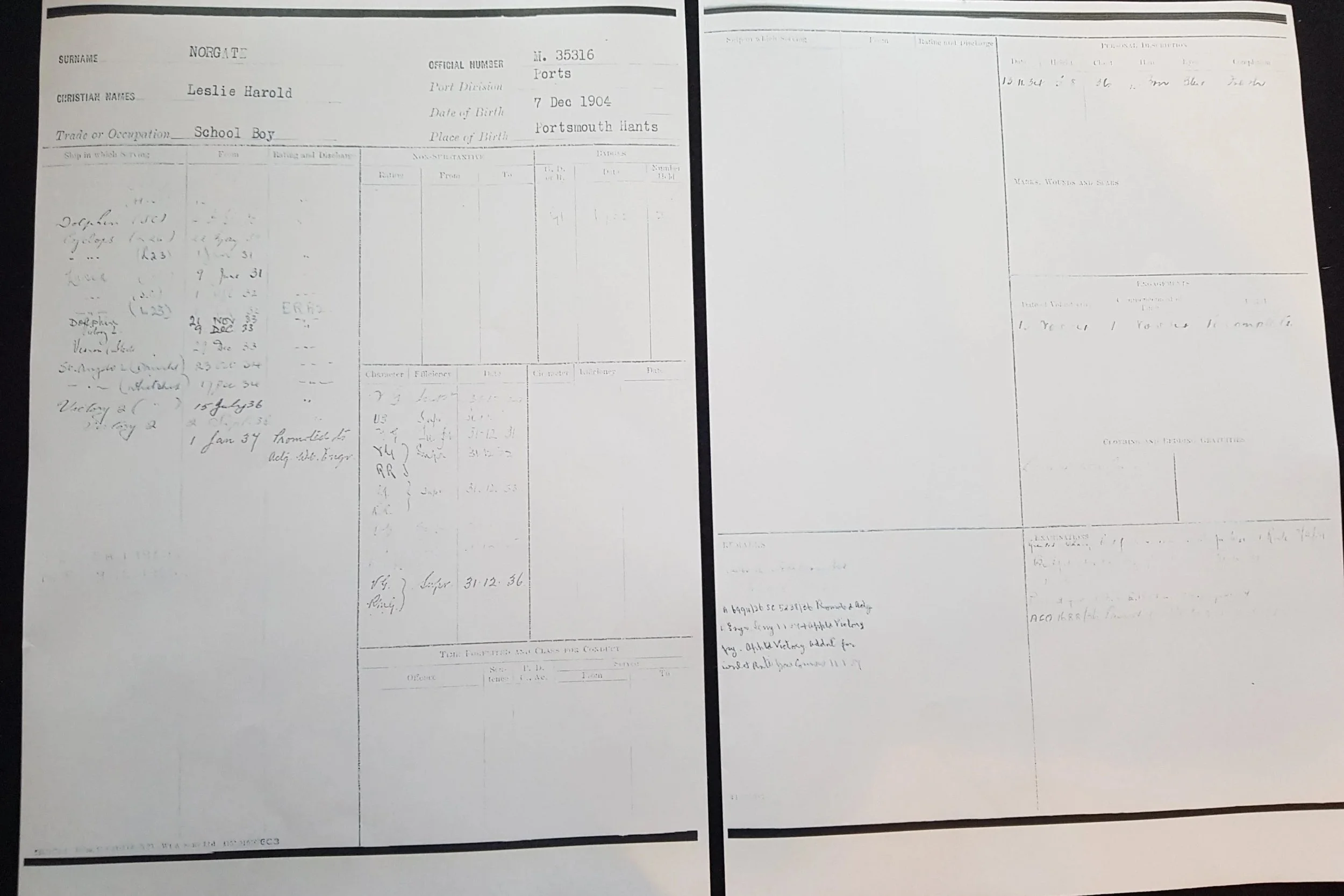
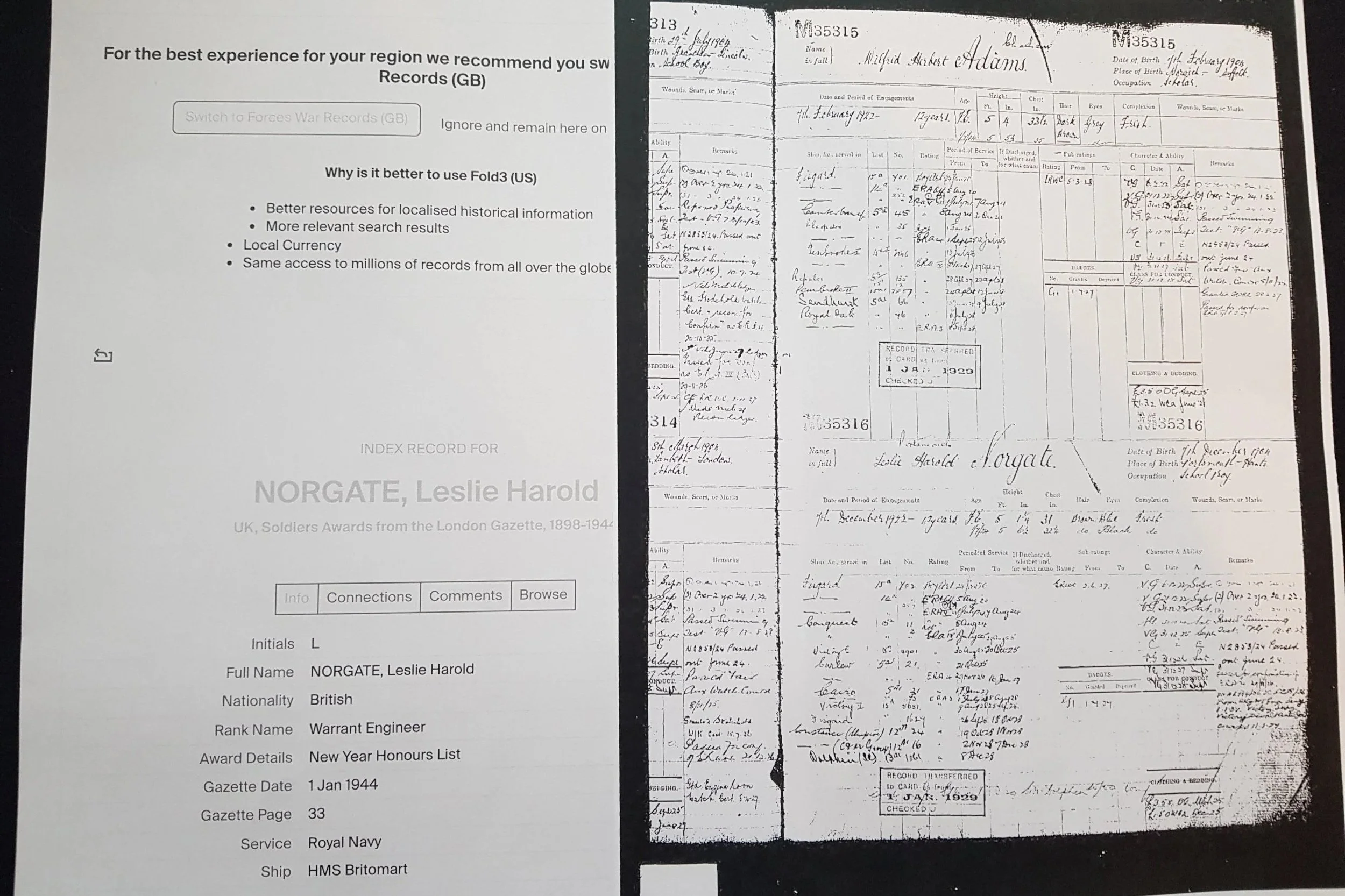
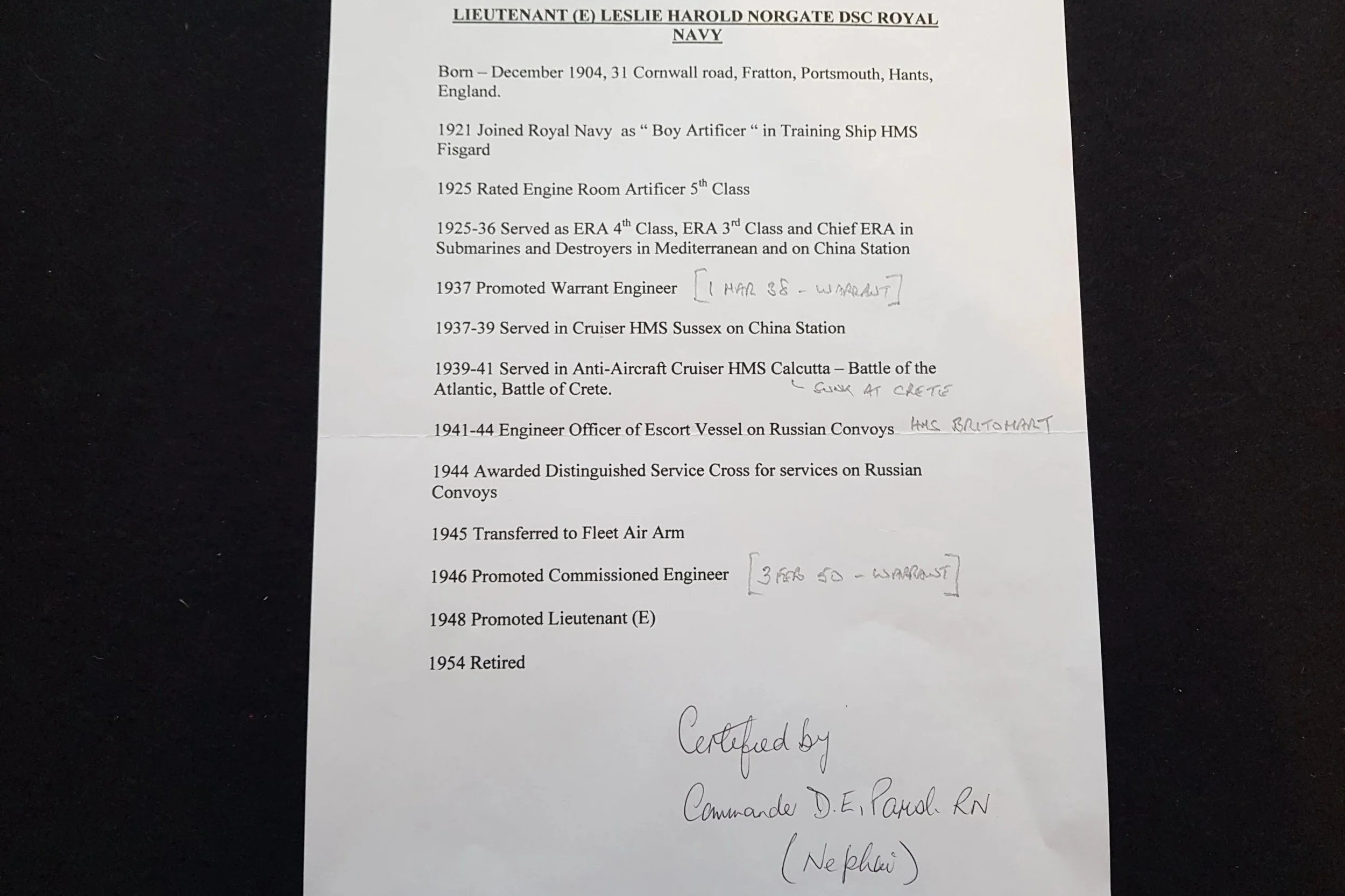
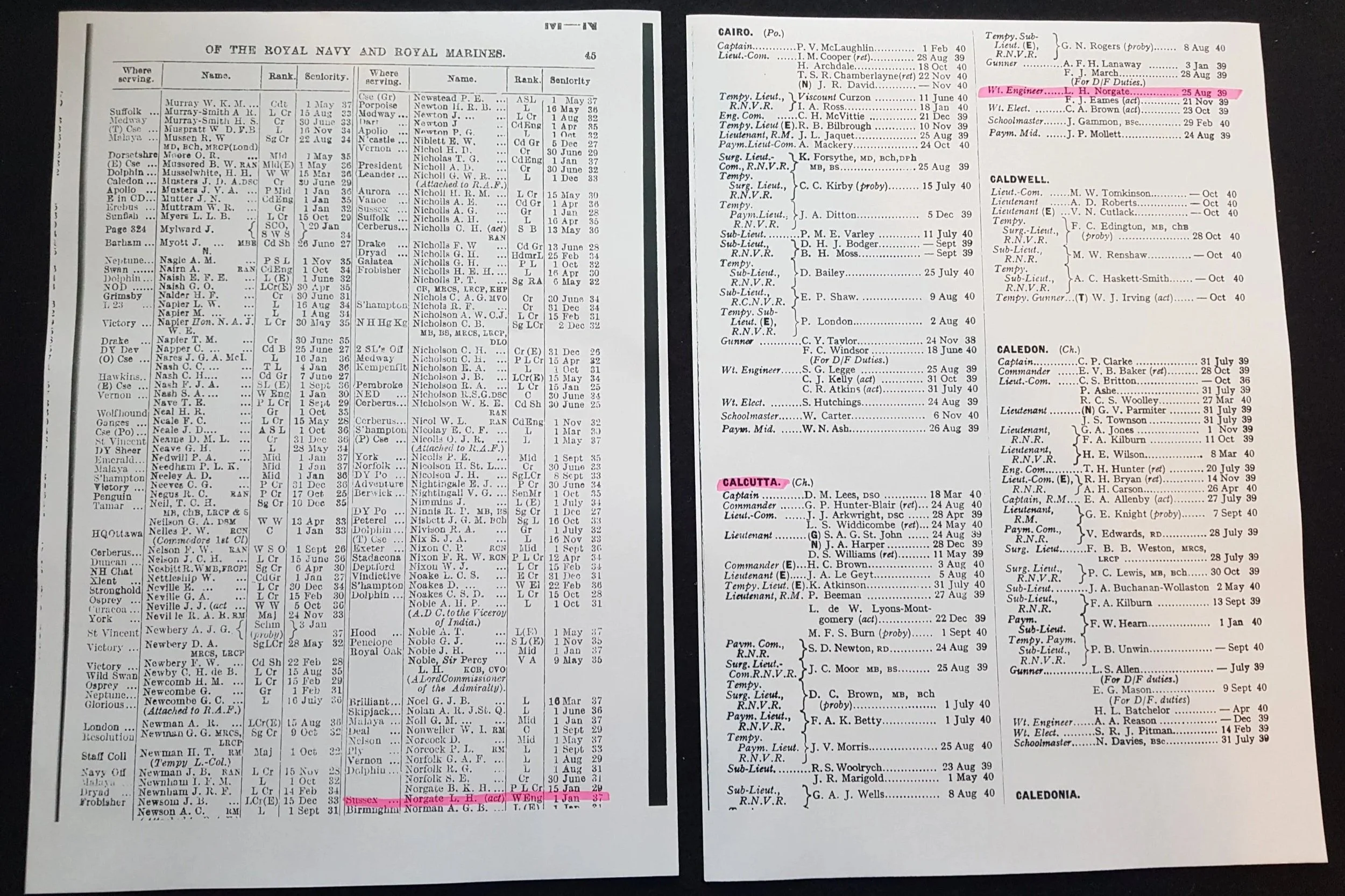
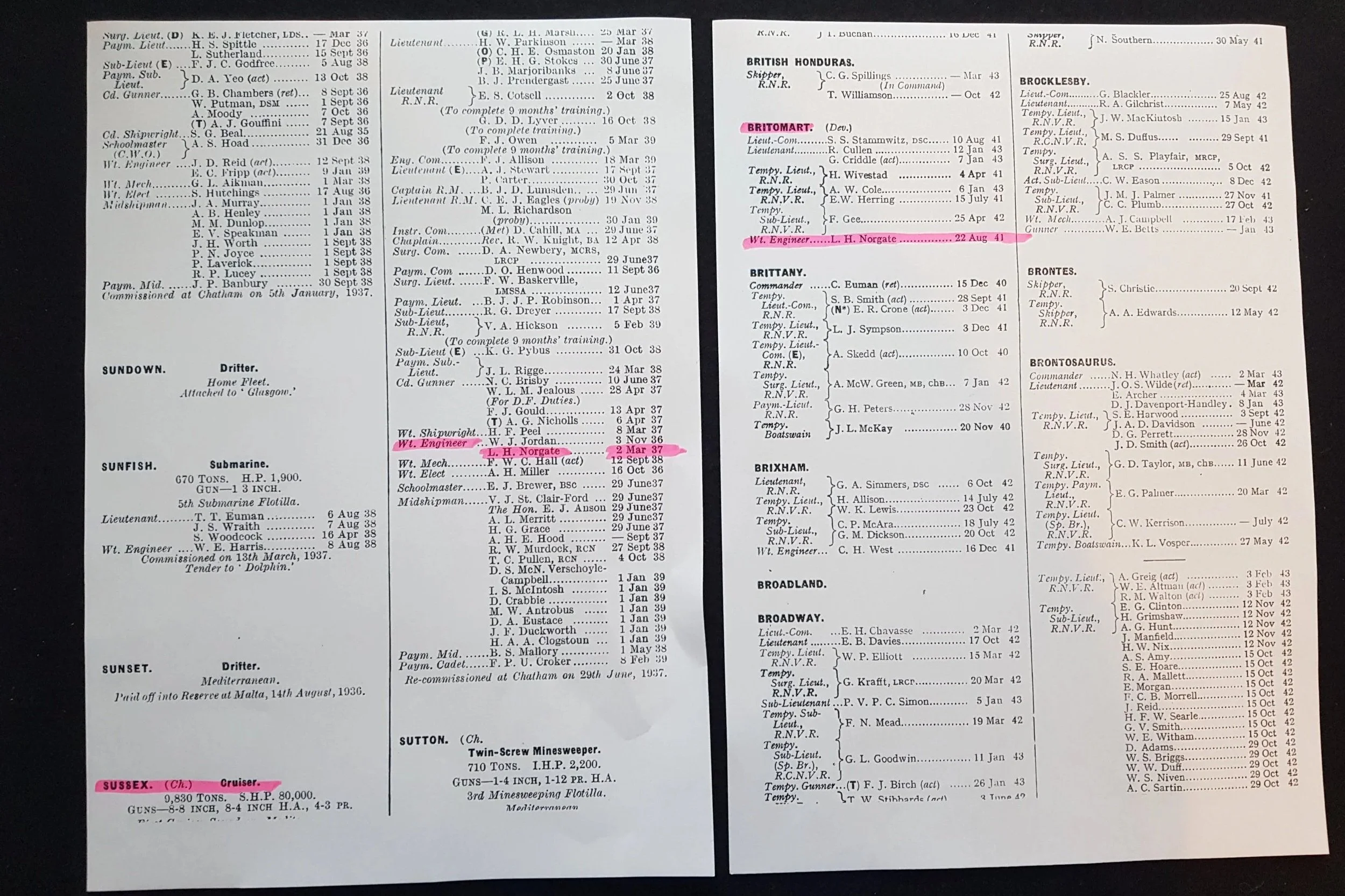
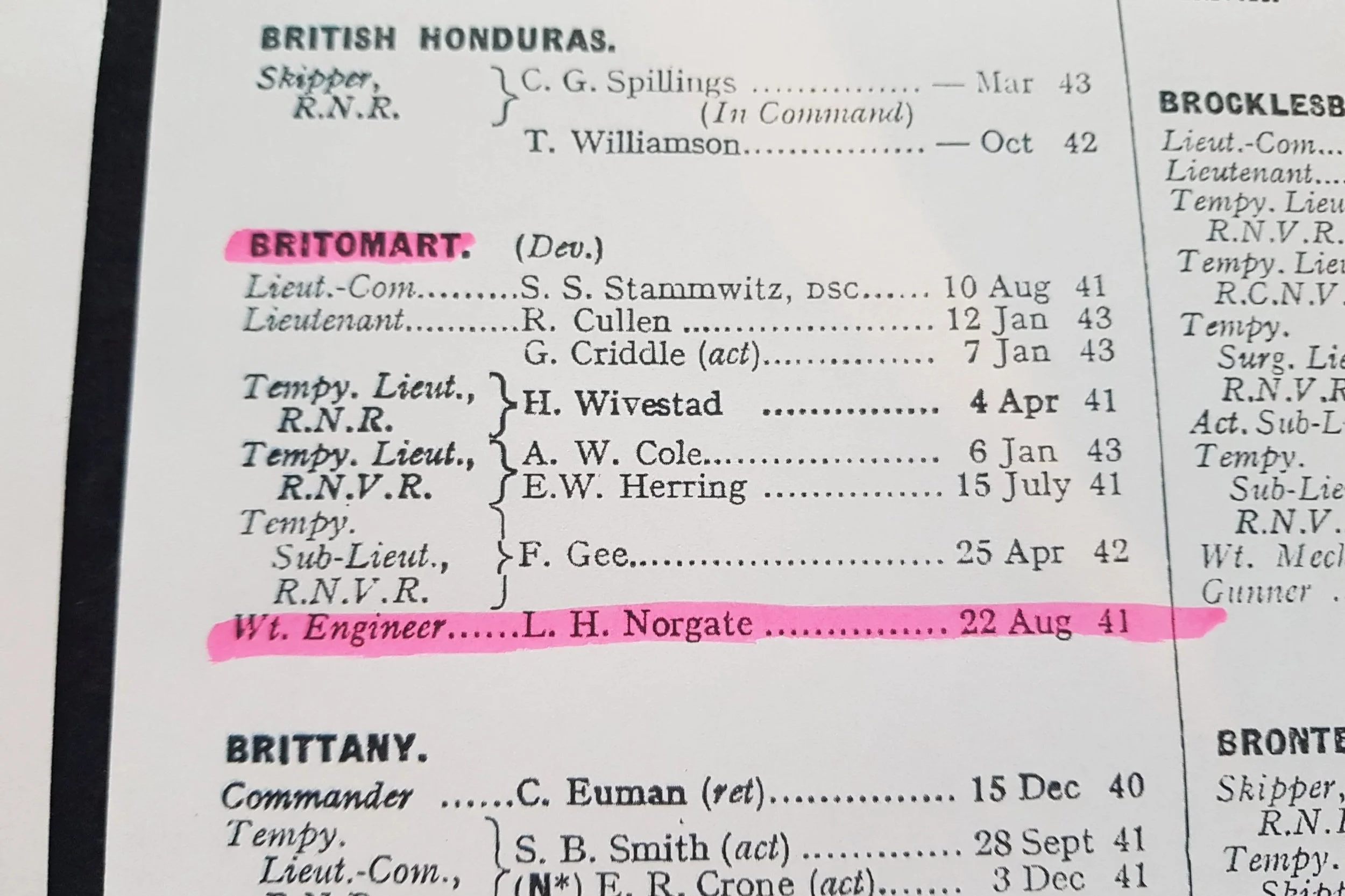
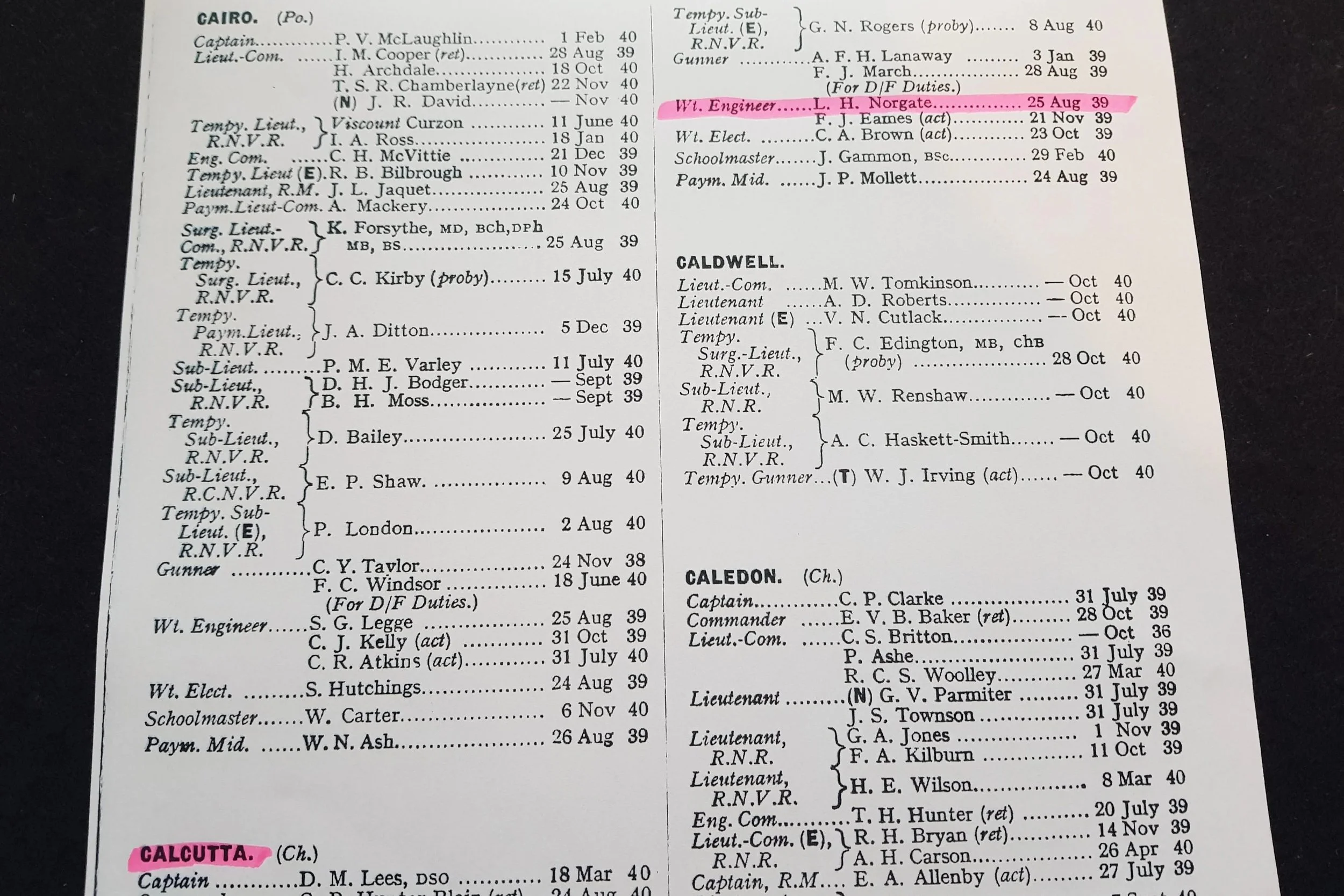
Leslie Harold Norgate was born in Portsmouth, Hampshire on 7 December 1904 and entered the Royal Navy as a Boy Artificer in August 1920. He subsequently served aboard a variety of ships and then in the ‘Silent Service’ between 1928-33, serving at HMS Dolphin (S.C), Vulcan (H.32), Cyclops (L.26), and Lucia (L.23), and was promoted to Warrant Engineer in January 1937. He then briefly served in the cruiser HMS Sussex, and then in the cruiser H.M.S. Calcutta, and was present for a variety of famous actions, including the Norway evacuations, Operation Dynamo, Operation Aerial, Operation Huts, Malta convoys & Crete evacuation. Norgate then joined the crew of the minesweeping sloop Britomart on or around the 22nd August 1941. It is not clear if he was present when Calcutta was sunk by German Ju 88’s.
The following are online accounts of the WW2 service of HMS Calcutta and HMS Britomart -
Following conversion to an anti-aircraft cruiser, Calcutta joined the Home Fleet in August 1939 and in September was allocated to the Humber Force, acting as an anti-aircraft escort for convoys in the North Sea. She returned to the Home Fleet in February but continued to escort convoys as well as the Fleet.
In April 1940, Germany invaded Norway and Calcutta was one of the units of the Home Fleet deployed in response. From 22–23 April, Calcutta, along with the cruiser Birmingham, the destroyer Maori, the sloop Auckland and the French destroyers Bison and Foudroyant, escorted the French troopship Ville d'Alger which was landing troops at Namsos, but the operations were disrupted by poor weather. On 30 April, operations began to evacuate British and French troops from Andalsnes, with Calcutta providing anti-aircraft cover for the evacuation operations. Calcutta and Auckland evacuated the rearguard from Åndalsnes on the night of 1/2 May, with Calcutta embarking 756 officers and men.
At the end of May 1940, Calcutta took part in Operation Dynamo, the evacuation of the British Expeditionary Force from Dunkirk. She evacuated 656 troops on the night of 27/28 May 1940, when she operated off La Panne, and a further 1,200 troops on the night of 28/29 May. Calcutta again operated off Dunkirk on the night of 31 May/1 June and was slightly damaged by near-misses by German bombs on 2 June.
Following the completion of the evacuation from Dunkirk, British Forces continued to operate in France, with Operation Aerial taking part in the second half of June 1940 to evacuate the remainder of British forces from ports in the west of France. Calcutta took part in Operation Aerial, providing anti-aircraft cover for evacuations from Saint-Jean-de-Luz in the far south-west of France, near the border with Spain from 23 to 25 June, when the Armistice between France and Germany ended the evacuations. On the return journey, Calcutta was in company with the Canadian destroyers HMCS Restigouche and Fraser, when on the evening of 25 June Calcutta collided with Fraser off the Girone Estuary, cutting the destroyer in two. The front of Fraser sank quickly, while the aft part was scuttled by Restigouche. Calcutta was undamaged.
On 30 August Calcutta set off from Gibraltar as part of Operation Hats, which had the purpose of strengthening the British Mediterranean Fleet based in Egypt while simultaneously escorting a supply convoy to Malta. Calcutta formed part of Force F, the reinforcements for the Mediterranean Fleet, and together with sister ship Coventry and the battleship Valiant delivered personnel and stores to Malta on 2 September after Force F met up with the Mediterranean Fleet, reaching Alexandria on 6 September. On 8 October 1940, Calcutta, together with Coventry and four destroyers, formed the close escort of Convoy MF.3 to Malta, reaching Malta on 11 September, with Calcutta and Coventry forming part of the escort of the return convoy MF4.
Calcutta provided anti-aircraft support for the battleships Warspite, Valiant and Barham when they bombarded Bardia on 3 January, then on 7 January set off from Alexandria as part of the escort of Malta Convoy MW5. This was part of a complex series of operations, with another Malta convoy, Operation Excess being simultaneously run from Gibraltar. Convoy MW5 arrived unharmed at Malta on 10 January, but the escort for the Operation Excess convoy was heavily hit by German dive bombers, sinking the cruiser Southampton and badly damaging the aircraft carrier Illustrious and the cruiser Gloucester. During March 1941, Calcutta escorted a series of troop convoys, known as Operation Lustre, carrying four British divisions from Egypt to Greece. An Italian attempt to attack these convoys resulted in the Battle of Cape Mattapan in which three Italian heavy cruisers were sunk.
On 18 April 1941 Calcutta sailed with the Mediterranean Fleet when it escorted the fast transport Breconshire to Malta, continuing to escort the fleet as it bombarded the port of Tripoli on 20 April. On 24 April, the Mediterranean Fleet launched Operation Deamon, the evacuation of British and Commonwealth forces from Greece, with Calcutta taking part in the evacuations. Between 6 and 12 May, Calcutta set out from Alexandria as part of the escort of Malta-bound convoy MW7, before joining the Operation Tiger convoy ferrying tanks from Gibraltar to Egypt.
On 20 May, Germany launched an invasion of Crete by airborne troops. The British Mediterranean Fleet deployed to counter any sea-borne reinforcement of the German forces, with three groups of cruisers and destroyers (Forces B, C and D) deployed to the north of Crete to intercept invasion convoys, while a force of battleships and destroyers (Force A1) provided cover in case the Italian Navy attempted to intervene. Calcutta was sent from Alexandria to join Force C, meeting it on 21 May. Force C came under heavy attack by German and Italian aircraft during 21 May, with the destroyer HMS Juno being sunk. On 22 May Force C intercepted a convoy of Caiques carrying German troops to Heraklion, escorted by the Saggitario. While the convoy was forced to turn back, heavy German air attacks caused the commander of Force C, Rear-Admiral King, to break off the attack. The air attacks damaged the cruisers Naiad and Carlisle before Force C rejoined the covering Force A1. Further attacks on the combined force damaged the battleships Warspite and Valiant and sank the cruisers Gloucester and Fiji and the destroyer Greyhound. Force A1 was ordered back to Alexandria early on 23 May to restock anti-aircraft ammunition.
On 27 May, the deteriorating situation on Crete resulted in the evacuation of Allied forces being ordered, with Calcutta along with the cruisers Coventry, Phoebe and Perth, the destroyers Jervis, Janus and Hasty and the transport Glengyle evacuating 6,000 troops from Sfakia on the night of 29/30 May 1941. On the night of 31 May/1 June 1941, a final effort was made to evacuate the remaining troops from Sfakia, with the cruiser Phoebe, the minelayer Abdiel and the destroyers Kimberley, Hotspur and Jackal picked up a further 3,710 men. Calcutta and Coventry set out from Alexandria on 1 June to provide extra anti-aircraft protection for this force, but the two ships were attacked by two Junkers Ju 88 bombers, which dived out of the sun, giving little warning, about 100 nautical miles (190 km) north-west of Alexandria. Calcutta was hit by two bombs and sank, with 255 men being rescued by Coventry and 107 men killed or missing – it is not known if Norgate was present during the sinking of Calcutta.
Britomart was nominated in August 1941 for detached service in North Russia, carrying out sweeping duties to ensure the safe passage of Russian convoys to and from Iceland. Her sisters HMS Gossamer, Leda and Hussar were nominated at the same time, and ordered to join HMS Halcyon, Harrier and Salamander, which were already at Archangel. After preparing for Arctic service they sailed for Iceland in September and on 29 September, they joined convoy PQ 1 with the cruiser HMS Suffolk. The convoy arrived at Archangel on 11 October, and the flotilla commenced their Russian deployment. Between October 1941 and January 1942 Britomart was engaged in sweeping operations in the Barents Sea, ensuring the safe movement of traffic in and out of the ports of Archangel and Murmansk. On 7 February she joined Sharpshooter in escorting the inward bound convoys PQ 9 and PQ 10 until their arrival in Murmansk on 10 February. On 13 February they joined the return convoy PQ 7 through the Barents Sea, before being detached on 15 February and returning to Murmansk.
PQ 17
Britomart served in North Russia until March 1942, when she was nominated to return to the UK. On 21 March she and Sharpshooter joined the return convoy PQ 9 at Kola Inlet. They sailed with the convoy as far as Reykjavik, which they reached on 3 April. They then sailed to the UK, where they were taken in hand for a refit. The refit lasted throughout May, during which time a Type 271 radar was fitted. She sailed for Reykjavík again in completion of these works and on 27 June 1942 joined convoy PQ 17 with HMS Salamander and Halcyon. The convoy was ordered to scatter by the Admiralty on 4 July in view of the presumed threat of attack by the German capital ships Tirpitz, Admiral Scheer and Admiral Hipper. Britomart was deployed on 5 July with several of the smaller escorts to search for the scattered merchant ships. She and the escorts gathered up six merchants and made for Novaya Zemlya, whilst under continued air attack. The battered ships arrived at Archangel on 11 July, and Britomart resumed her sweeping duties.
Sweeping in the Barents
She carried these duties out throughout August 1942 and into September, and on 13 September was part of the local escort for Convoy PQ 14, with HMS Halcyon, Hazard and Salamander. On 18 September they joined two Soviet destroyers in escorting the inward bound Convoy PQ 18, which had come under air attack. The convoy arrived on 20 September and Britomart resumed her sweeping duties. She was next deployed on 17 November with HMS Halcyon, Hazard, Salamander and Sharpshooter in escorting Convoy QP 15 through the Barents Sea. They were detached on 20 November and returned to Archangel. Britomart was briefly in the UK at the start of 1943 but was nominated to return to Russia as part of the escort for convoy JW 52, and joined the assembled convoy at Lock Ewe. She deployed on 17 January with the corvettes Lotus and Starwort, and three naval trawlers. The convoy came under air attack on 24 January, but these were ineffective. They arrived on 27 January and Britomart resumed her usual duties.
On 24 July 1943 she helped get a fire under control after an attack by four Messerschmitt BF 109’s started a fire on the SS Llandaff. The attack took place about 20 nautical miles (37 km) NE of Kildin Island. Llandaff was part of a small convoy bringing timber from the White Sea to Kola Inlet.
Assigned to the Normandy landings
She escorted several more convoys through the Barents in February 1943 and continued her sweeping duties until October. She briefly came under air attack whilst sweeping off Cape Article and was hit by two bombs. They bounced off the deck without exploding.
She returned to the UK in November 1943, having escorted convoy RA 54A and after arriving on 14 November she underwent a refit. On completion of the refit, she was nominated to join the new 1st Minesweeping Flotilla, along with HMS Harrier, Gleaner, Halcyon.
By August Britomart was deployed off Arromanches with HMS Harrier, Jason, Hussar, Gleaner and Salamander. They were transferred to the Le Havre area for mine sweeping operations in the anchorage selected for the bombardment of enemy positions by HMS Warspite and the monitors HMS Erebus and Roberts. They came under shore fire on 23 August during these operations, but by 26 August they had received permission to remain in
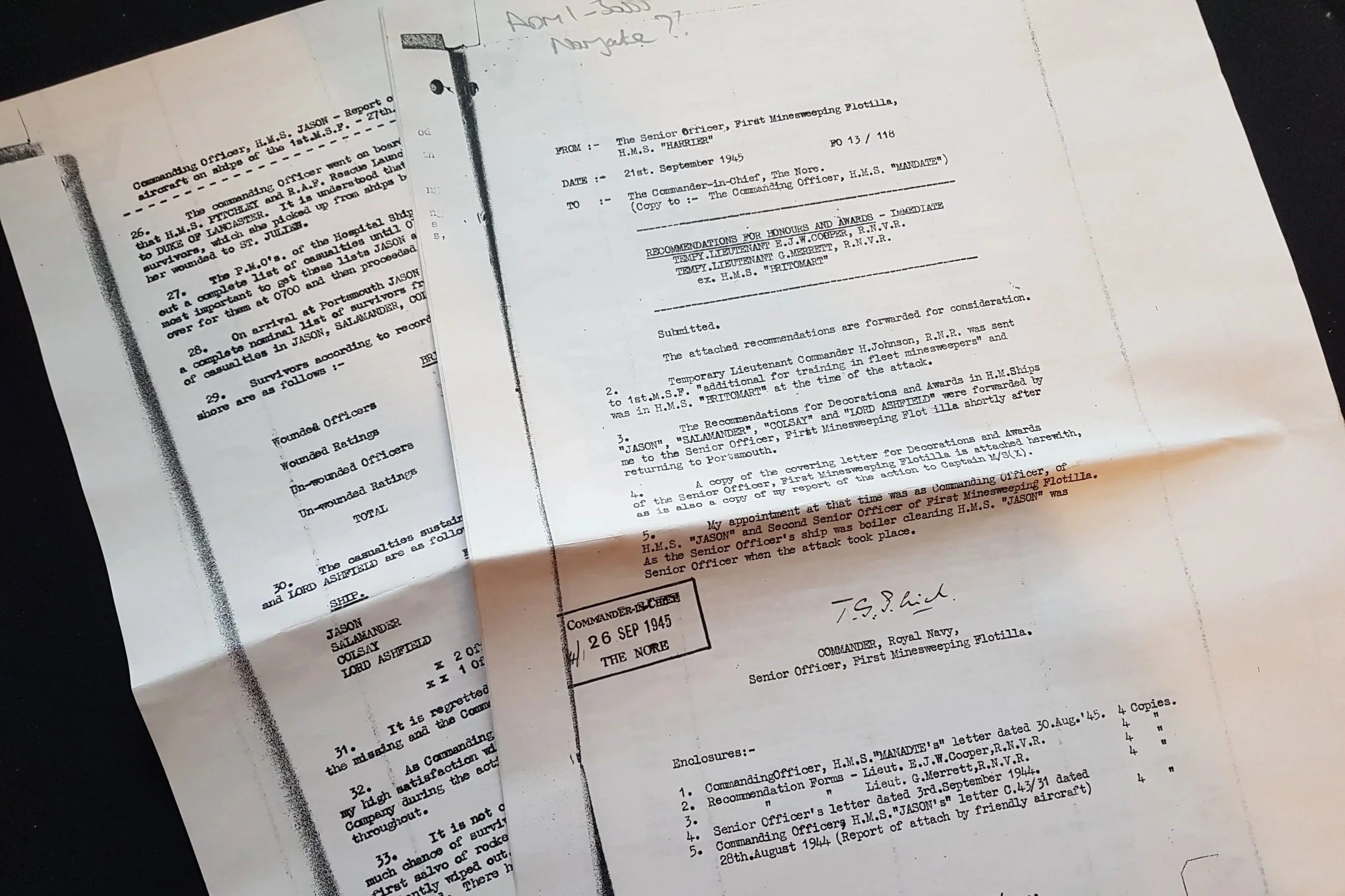
Whilst carrying out these clearances on 27 August 1944, the flotilla came under rocket attack by RAF Typhoons from 263 and 266 Squadrons. Britomart and Hussar took direct hits and were sunk. Salamander had her stern blown off and sustained heavy damage, while Jason was raked by cannon fire, killing and wounding several of her crew. Two of the trawlers were also hit. The incident was found to be due to the failure of the Flag Officer British Assault Area to ensure that the approval of the extended minesweeping operation had been passed to those concerned with the air operations over the beaches. The ships were assumed to be enemy craft, since the air commanders believed that no allied ships were in the area at the time.
Whether Norgate was still serving in Britomart at the time of her loss to friendly fire off Normandy in August 1944, remains unknown, but our research would indicate that he was NOT present.
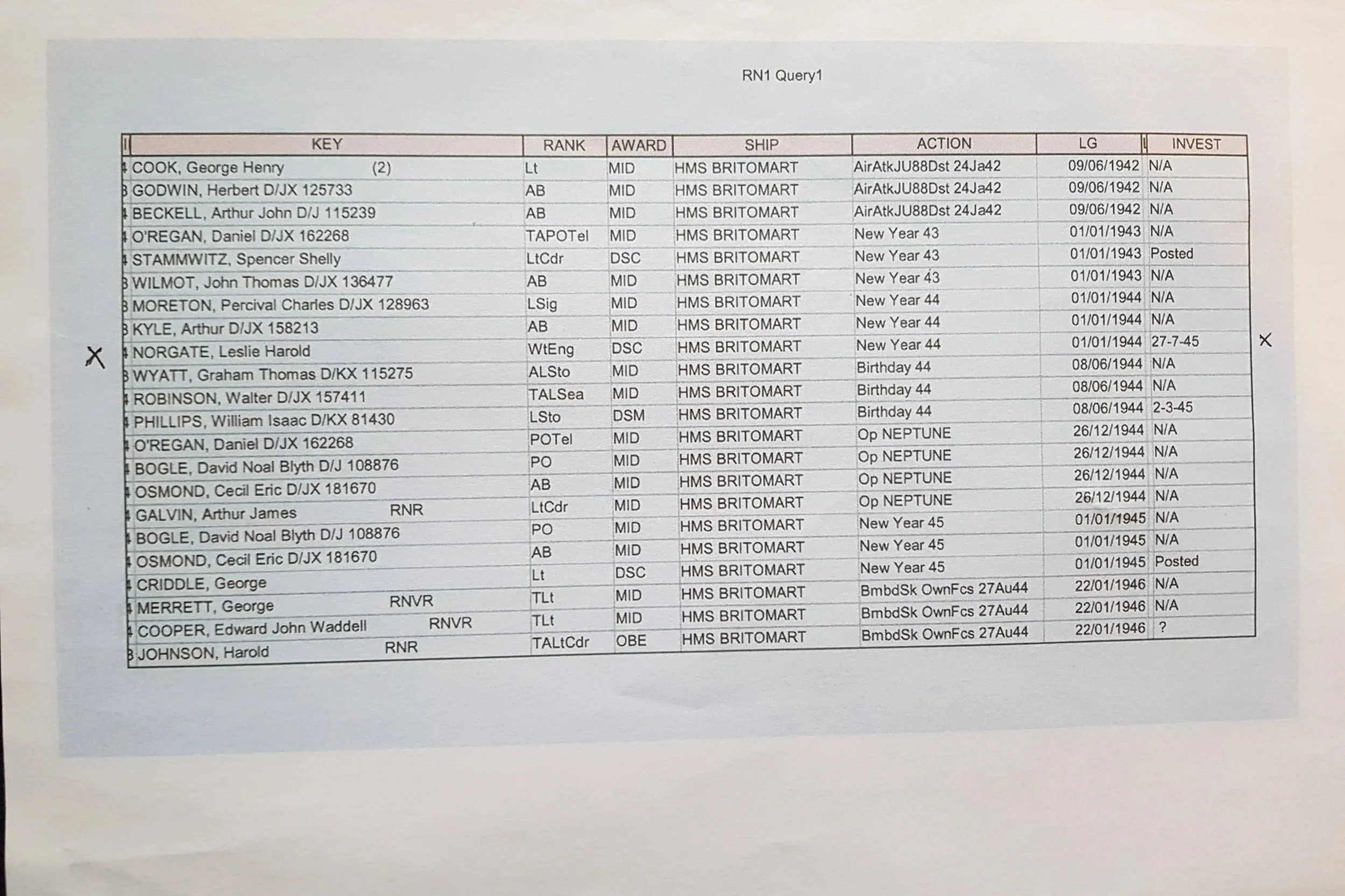
Norgate received his D.S.C. at a Buckingham Palace investiture on 27 July 1945 and ended the war with an appointment in the Fleet Air Arm. He was finally placed on the Retired List as a Lieutenant (E.) in 1954.
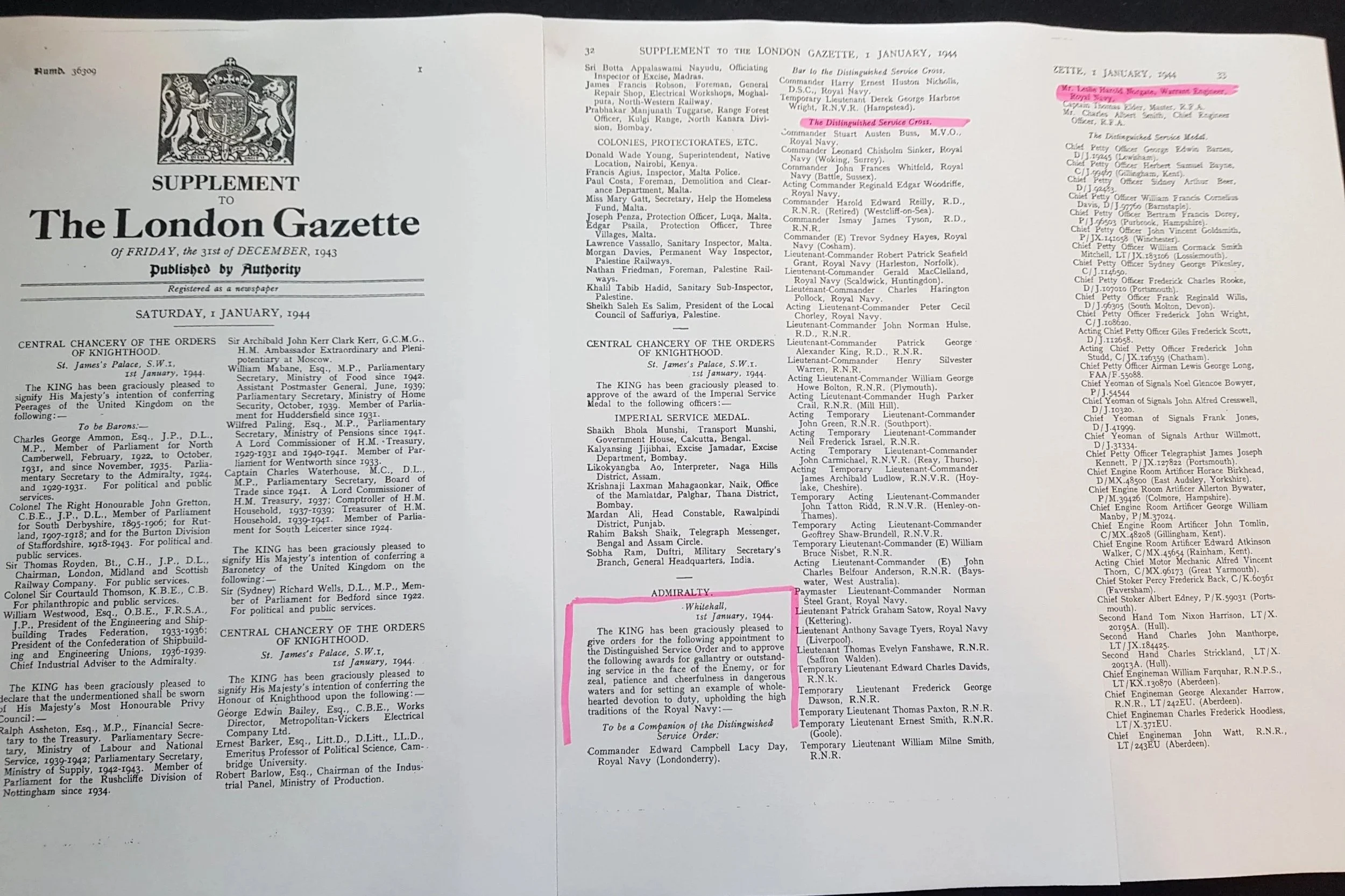
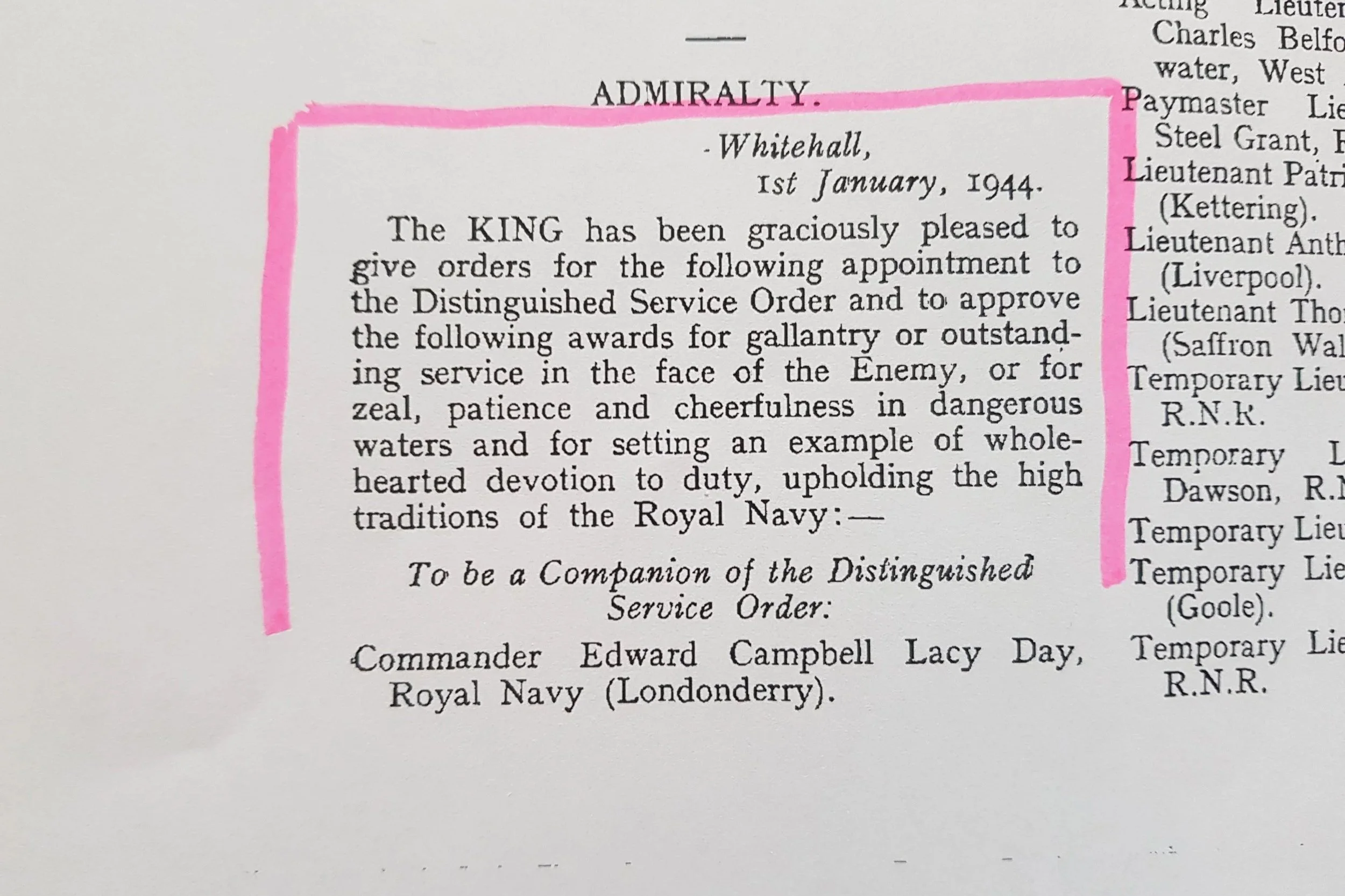
D.S.C. London Gazette 1 January 1944 –
‘The KING has been graciously pleased to give orders for the following appointment to the Distinguished Service Order and to approve the following awards for gallantry or outstanding service – The Distinguished Service Cross - in the face of the Enemy, or for zeal, patience and cheerfulness in dangerous waters and for setting an example of wholehearted devotion to duty, upholding the high traditions of the Royal Navy’ : —
Mr. Leslie Harold Norgate, Warrant Engineer, Royal Navy.
As an engineering officer, his responsibilities as a Warrant Engineer would have been critical to keeping a ships propulsion, electrical power generation, and damage control systems functioning during enemy attacks and atrocious weather conditions.
Norgate’s subsequent award of the D.S.C. undoubtedly reflected good service on the Arctic run, Britomart being regularly deployed to such duties in the period 1941-43. And those duties included the disastrous P.Q. 17 and ‘fight back’ P.Q. 18 convoys, in addition to ‘JW’ operations of 1943, when shocking weather conditions prevailed.
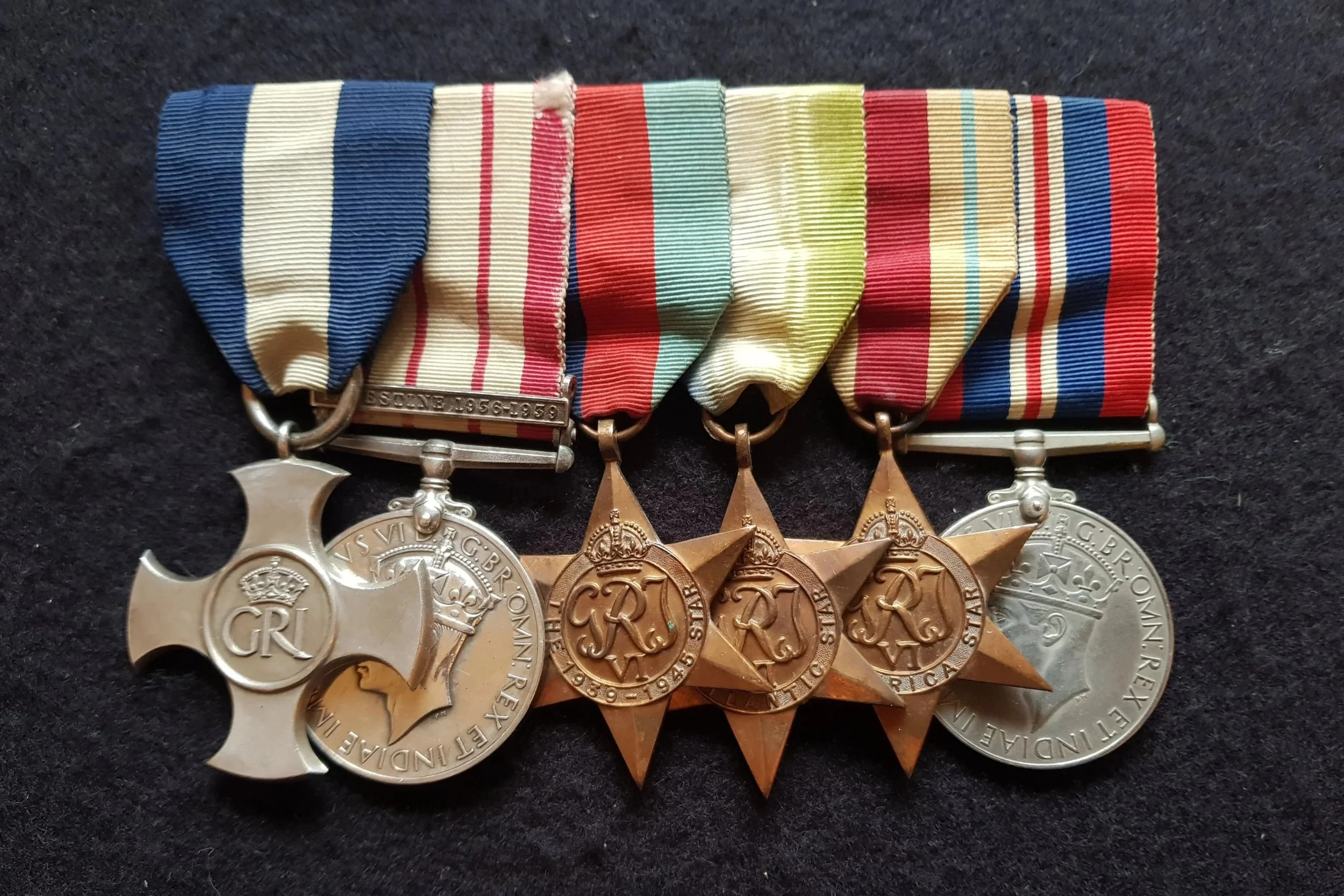
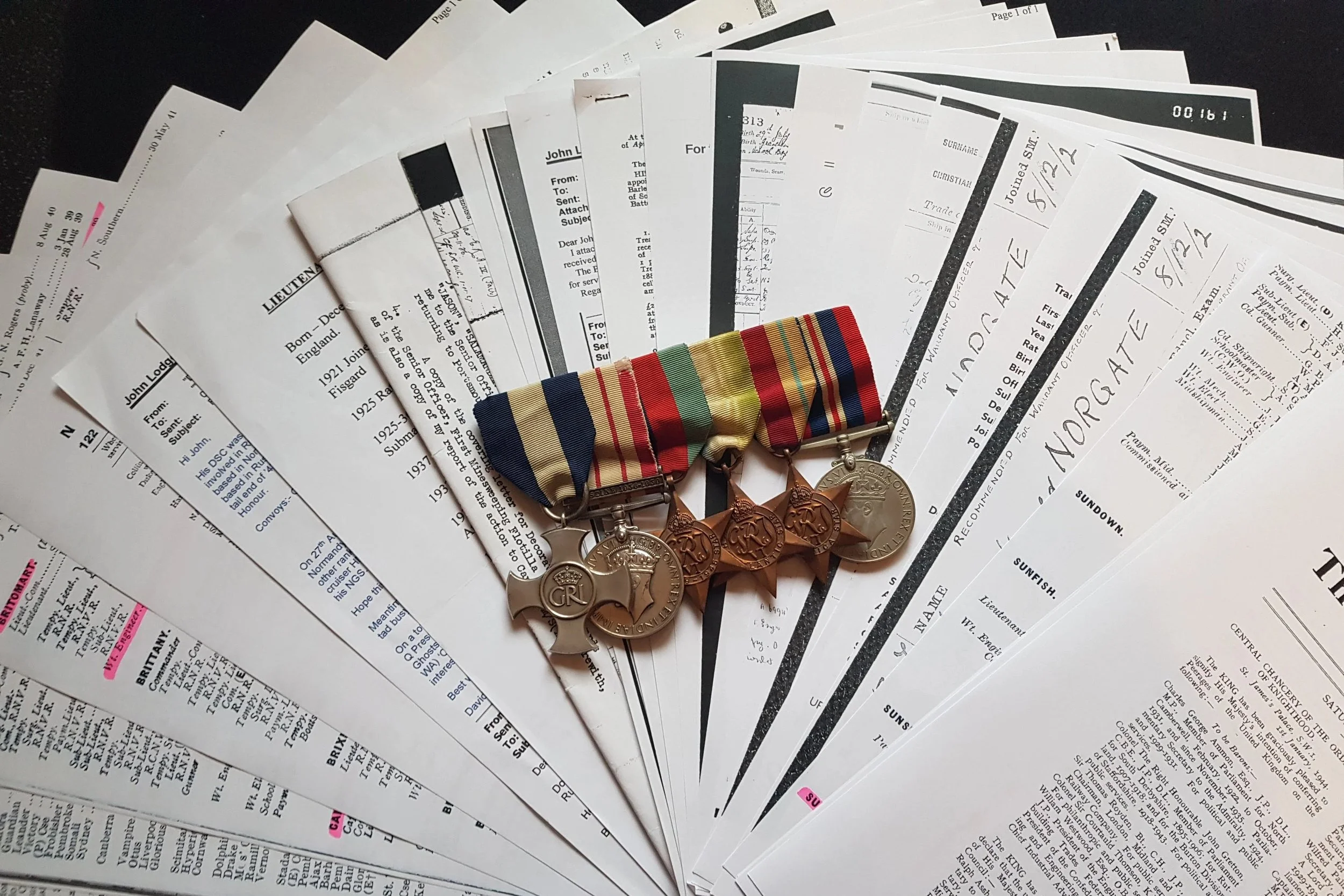
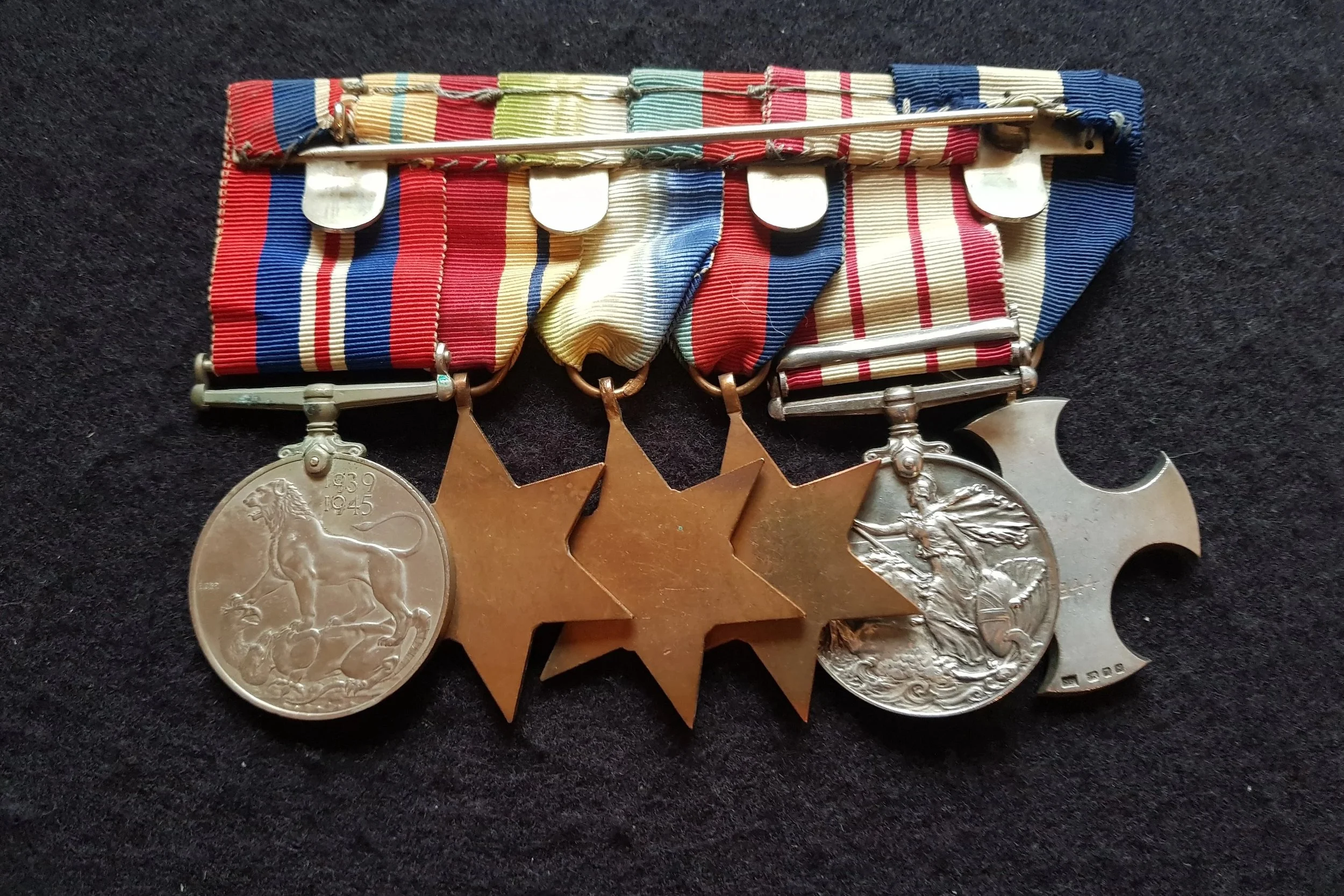
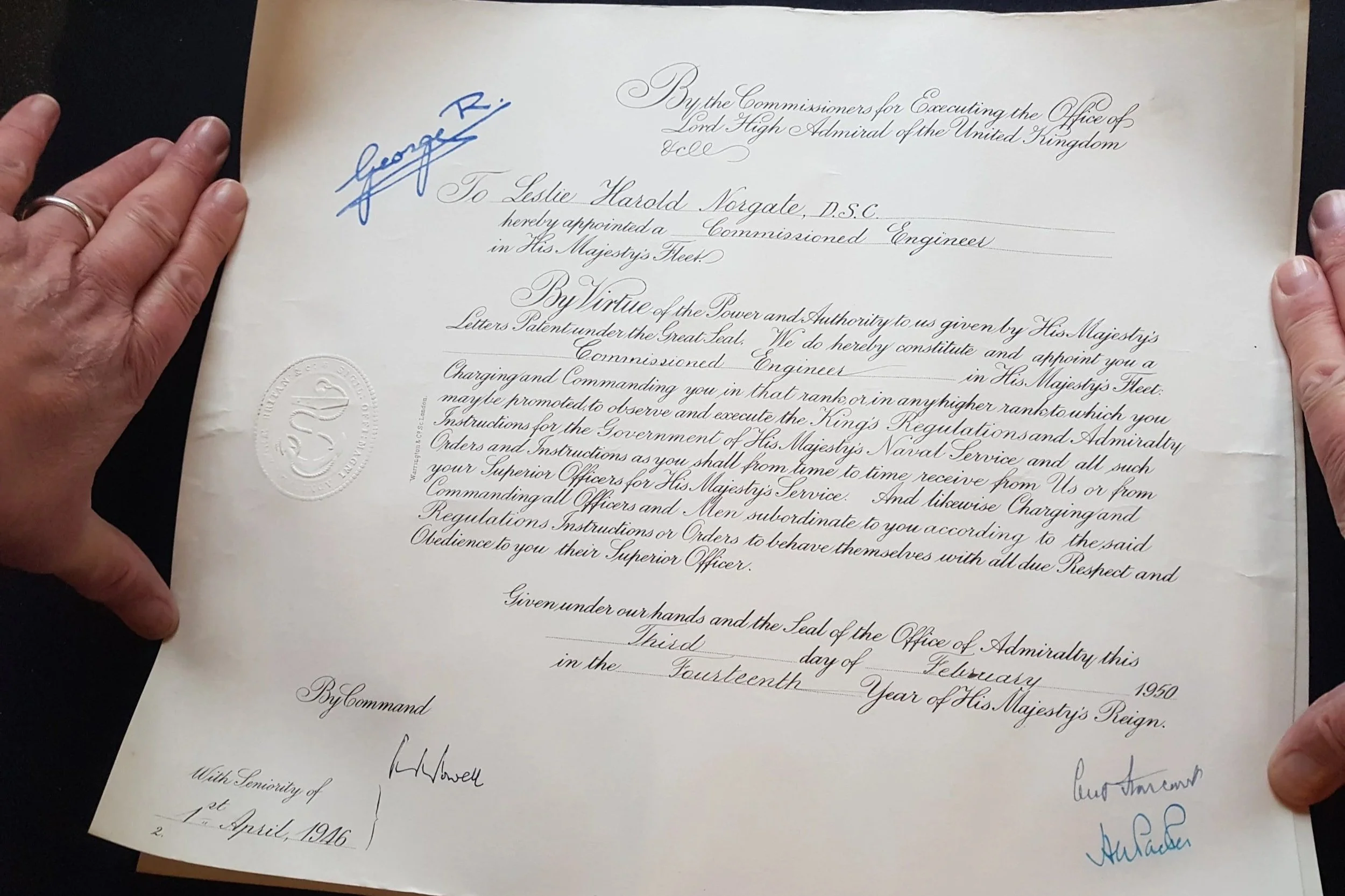
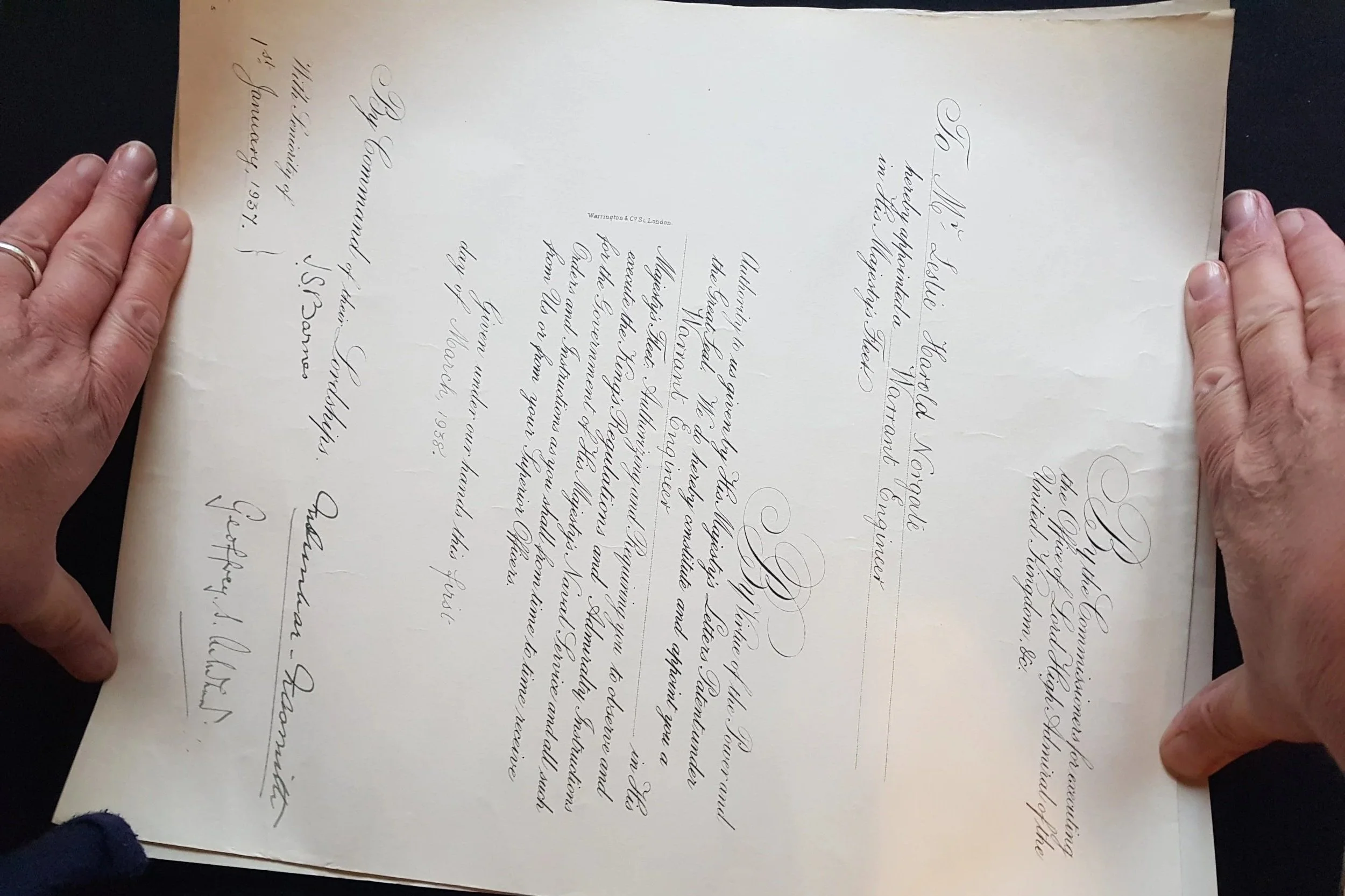
The medals are mounted as worn, sold with copied research and the recipient’s original warrants for Warrant Engineer, R.N., dated 1 March 1938, with seniority from 1 January 1937 and Commissioned Engineer, R.N., dated 3 February 1950, with seniority from 4 April 1946, and are as follows –
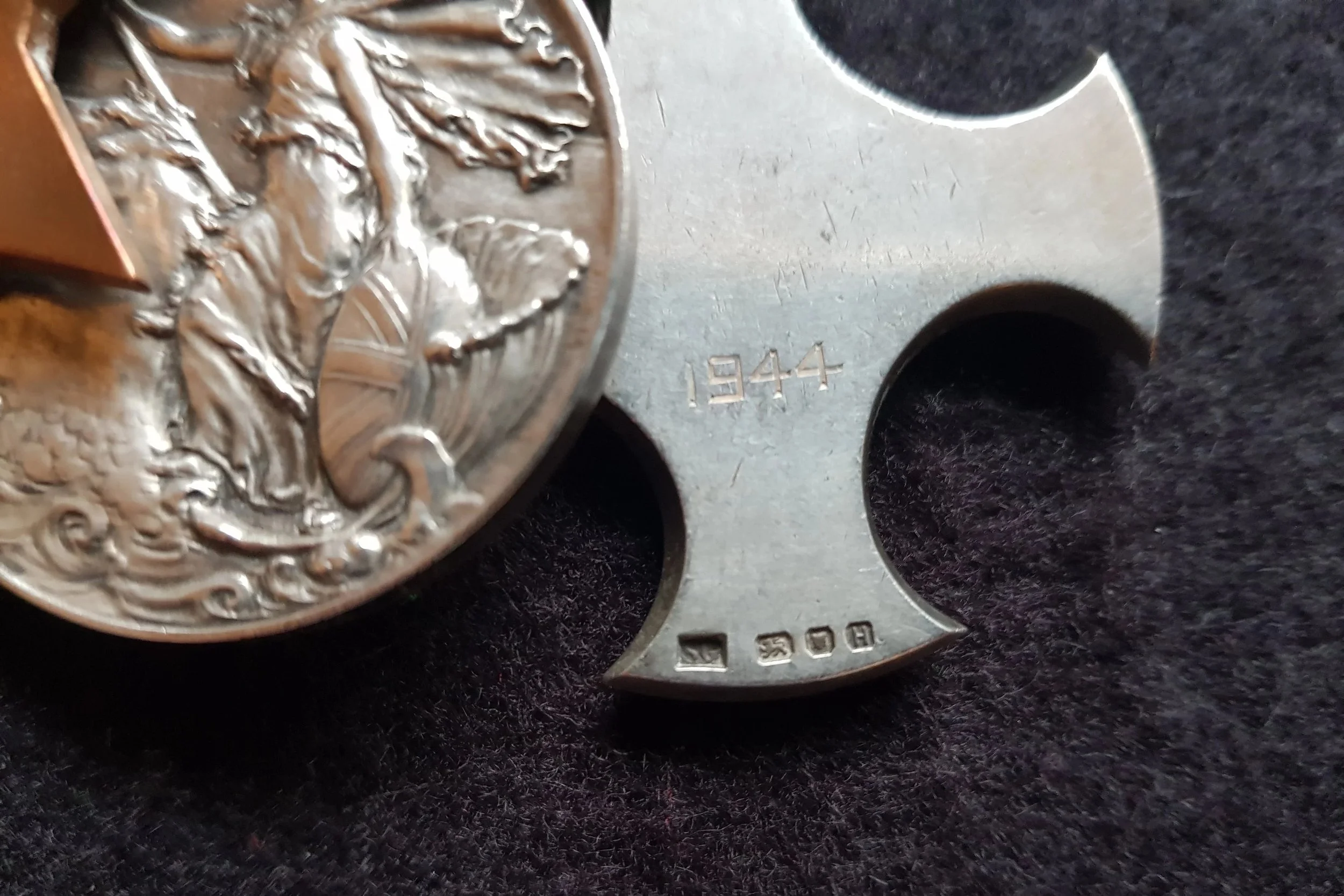
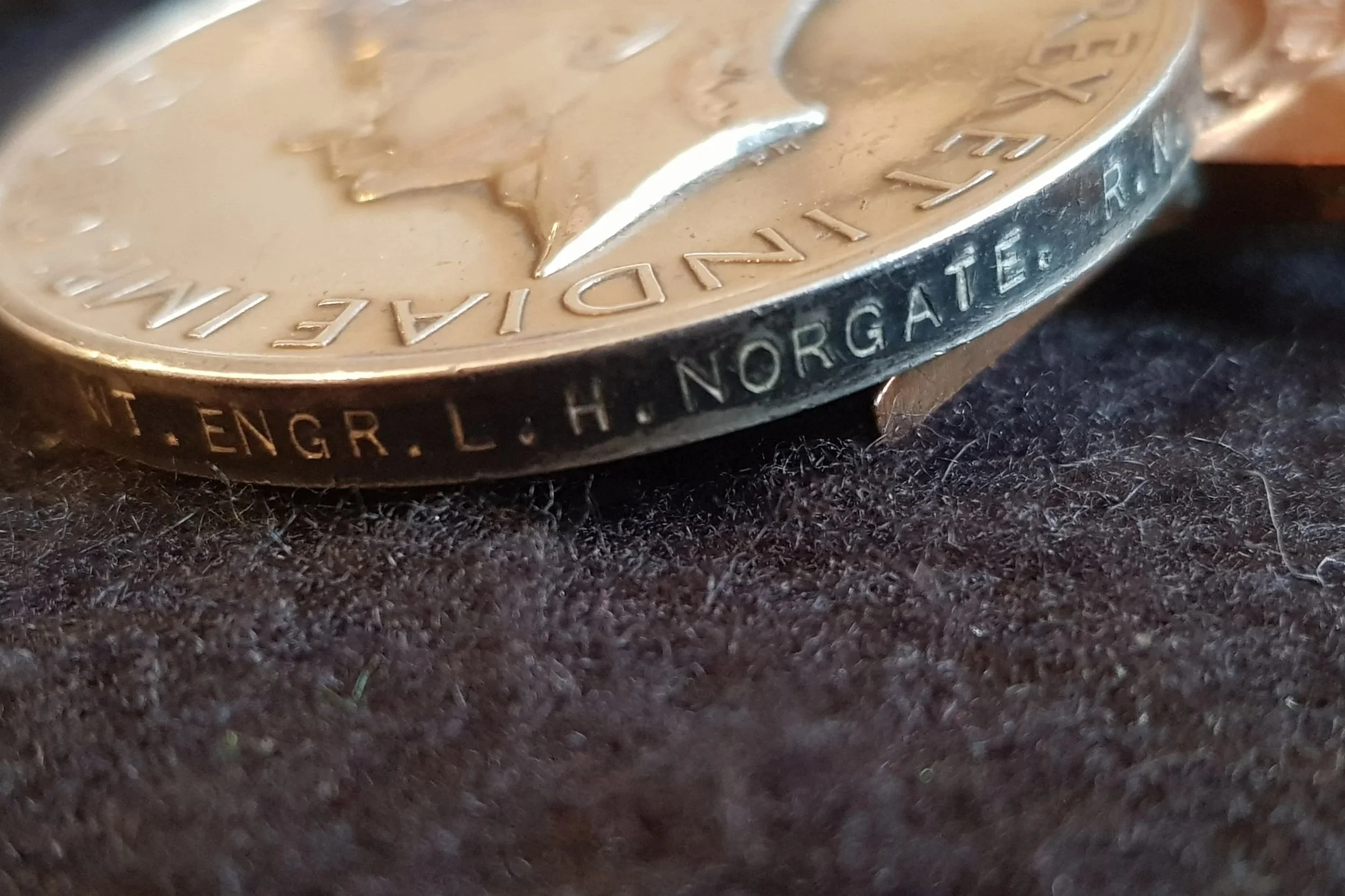
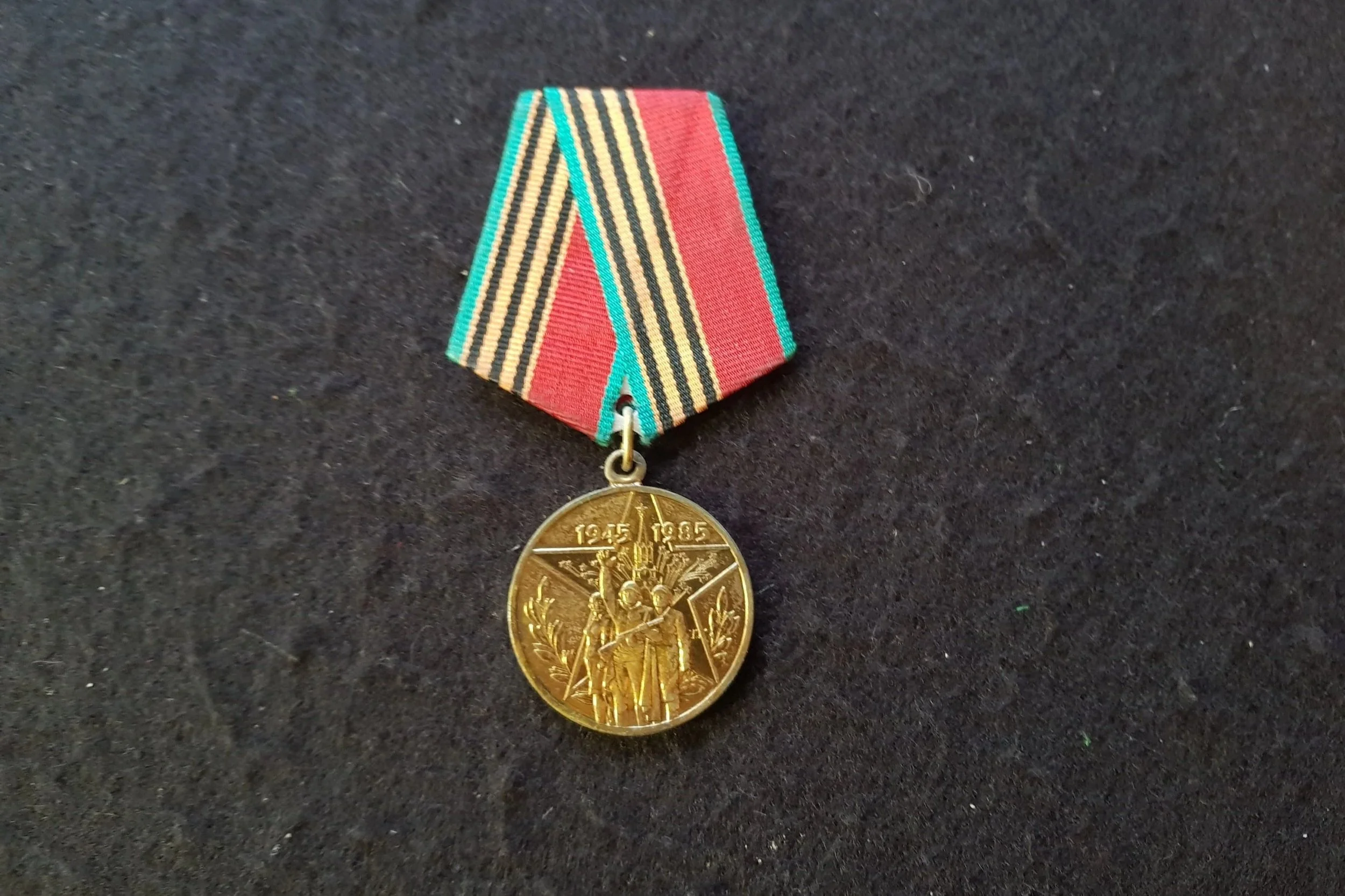
Distinguished Service Cross, G.VI.R., hallmarks for London 1943, reverse officially dated ‘1944’; Naval General Service 1915-62, 1 clasp, Palestine 1936-1939, WT. ENGR. L. H. NORGATE R.N.; 1939-45 Star; Atlantic Star; Africa Star; War Medal 1939-45; Union of Soviet Socialist Republics, Medal for the 40th Anniversary of Victory in the Great Patriotic War 1945-85, the first six mounted as worn, the last loose
Condition, good very fine